Introduction
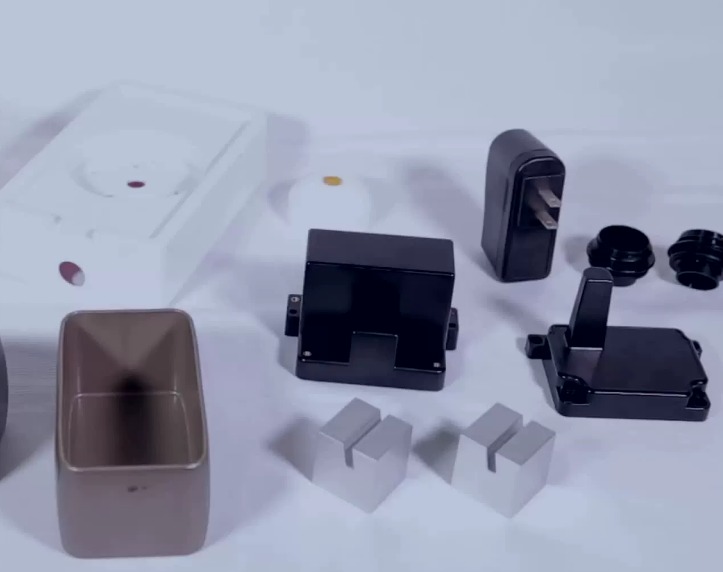
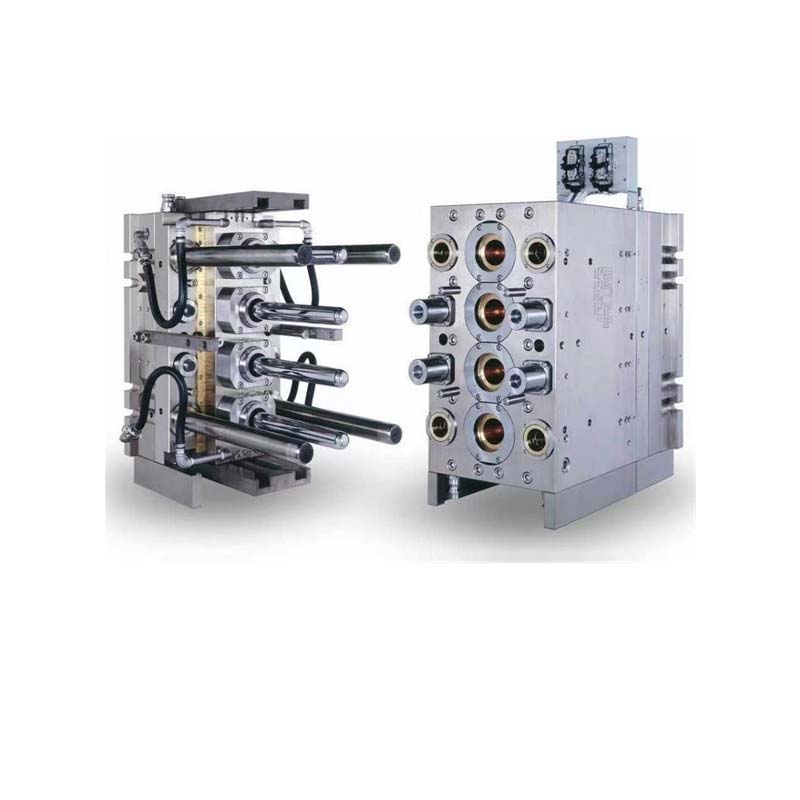
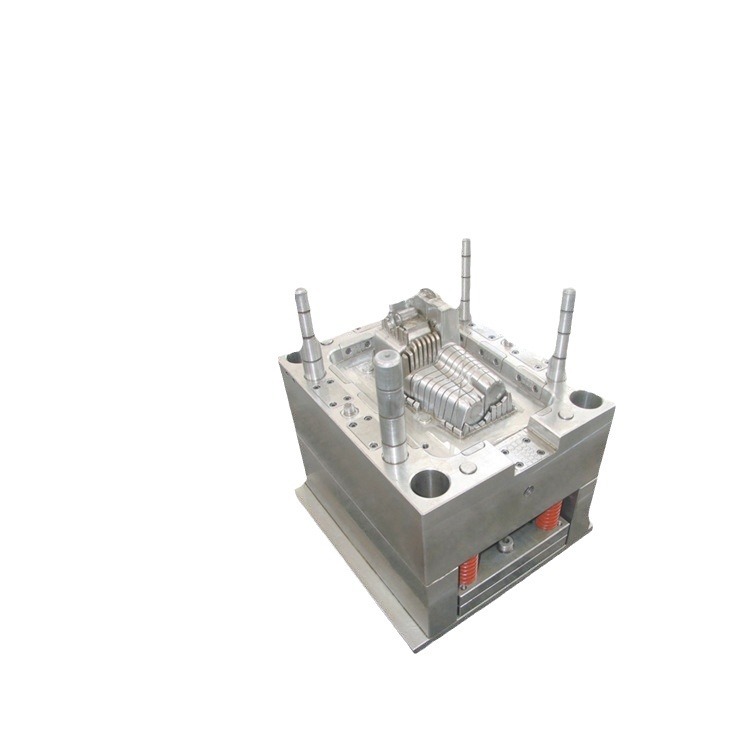
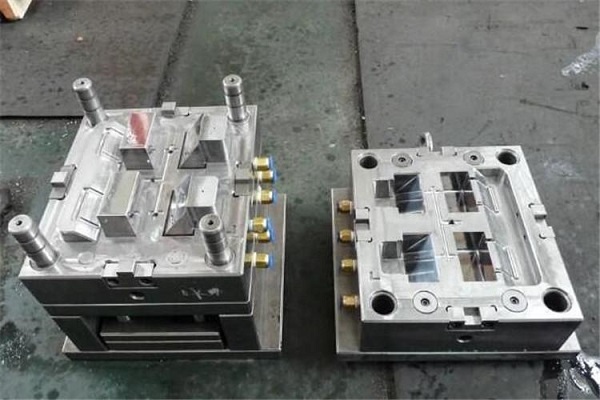
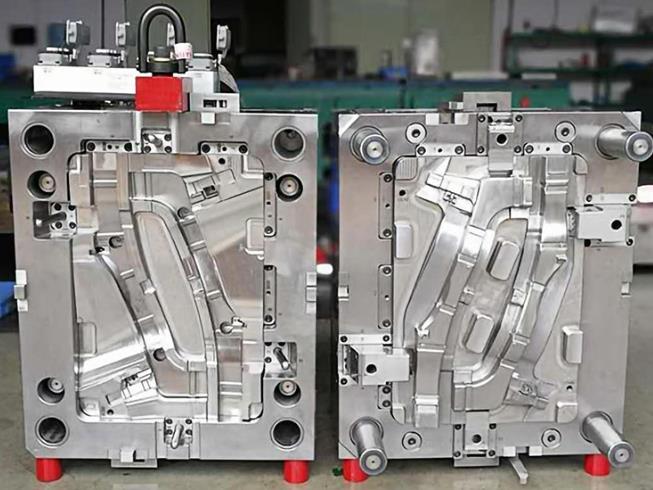
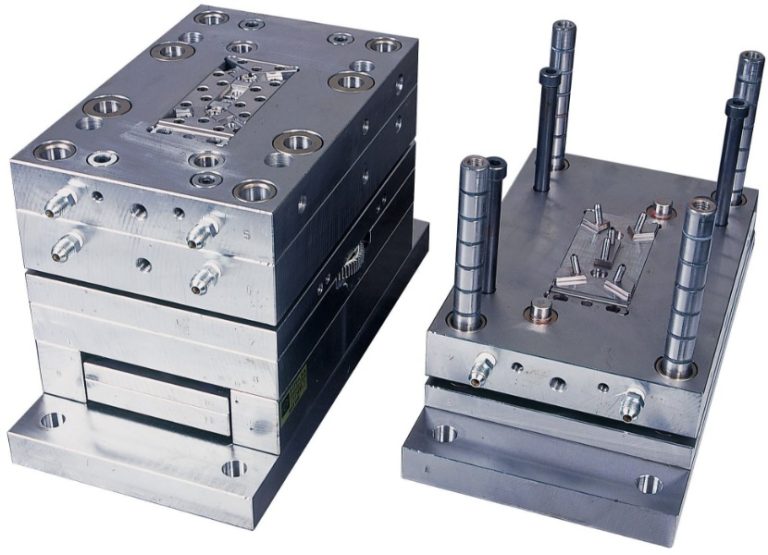
Walk through any factory, and you’ll see machines running, parts moving, products being assembled. What you won’t see are the tools that made it all possible—the moulds hidden inside injection molding machines, die casting presses, and forming equipment. Yet without these precision tools, modern manufacturing would grind to a halt.
Mould suppliers are the unsung heroes of industry. They operate behind the scenes, crafting the tools that enable mass production with consistent quality. They don’t make the final products consumers see—but nothing gets made without them.
This guide explores why mould suppliers deserve recognition as manufacturing heroes. We’ll examine how they drive efficiency and cost-effectiveness, adapt to technological change, and enable innovation across industries—from automotive to medical to consumer electronics.
How Do Mould Suppliers Drive Efficiency and Cost-Effectiveness?
Reducing Production Cycles
In manufacturing, time is money. A well-designed, efficiently manufactured mould cuts production time dramatically.
| Impact Area | Before Optimization | After Supplier Collaboration |
|---|---|---|
| Product development time | 12 months (smartphone industry example) | 3–4 months |
| Time-to-market | Slow; competitors launch first | Fast; first-mover advantage |
The numbers: A study by the Manufacturing Research Institute found that companies collaborating closely with mould suppliers reduced product development time by an average of 30% .
How suppliers achieve this:
- Advanced CAD/CAM: Precision design and simulation before steel is cut
- Experience-based optimization: Recommending gate and cooling improvements that speed cycles
- Parallel processes: Design and material sourcing happening simultaneously
Real example: A smartphone manufacturer needed to launch a new model within a tight window. Their mould supplier used advanced simulation to optimize cooling channels, cutting cycle time by 25% and enabling production ramp-up weeks ahead of schedule.
Enabling Economies of Scale
Economies of scale are fundamental to modern manufacturing—and mould suppliers are key enablers.
| Production Volume | Mould Cost per Unit |
|---|---|
| 10,000 units | $5.00 (based on $50,000 mould) |
| 100,000 units | $0.50 |
| 1,000,000 units | $0.05 |
How mould suppliers contribute:
Investment in precision equipment: High-quality moulds produce consistent parts, reducing defect rates and associated costs.
Design flexibility: Moulds designed for easy modification allow manufacturers to produce product variations from a single basic design—saving on multiple tooling investments.
Material cost advantages: Long-term relationships with material suppliers enable mould suppliers to purchase raw materials at lower costs, passing savings to manufacturers.
Real example: An automotive interior supplier worked with a mould supplier to design a modular mould system. One basic mould produced dashboard trim for three different vehicle models with minor insert changes—saving $200,000 in separate tooling costs.
How Do Mould Suppliers Adapt to Technological Advancements?
Embracing New Materials
Materials science evolves constantly. Mould suppliers adopt new materials to enhance performance, durability, and sustainability.
| Material | Application | Benefit |
|---|---|---|
| High-strength alloys | Engine component moulds | 40% longer mould life (automotive study) |
| Carbon-fiber composites | Aerospace moulds | Lightweight; high strength; fuel efficiency |
| Biodegradable polymers | Packaging moulds | Environmental sustainability; consumer demand |
Real example: A study by the Automotive Component Manufacturers Association found that advanced alloy-based moulds increased engine component mould life by 40% —reducing replacement frequency and saving long-term costs.
Integrating Advanced Manufacturing Technologies
Mould suppliers are revolutionizing their craft with advanced technologies.
3D Printing (Additive Manufacturing):
Instead of removing material from a solid block, 3D printing builds moulds layer by layer from digital models.
| Advantage | Impact |
|---|---|
| Complex geometries | Creates cooling channels impossible to drill |
| Customization | Patient-specific medical implants |
| Speed | Reduced production time by 60% for customized hip implants (Journal of Medical Devices) |
Real example: A medical device manufacturer used 3D-printed moulds for customized hip implants. Production time dropped by 60% compared to traditional methods—enabling faster response to patient-specific needs.
CNC Machining:
Computer-controlled machines ensure every cut, drill, and milling operation is executed with extreme accuracy.
| Application | Benefit |
|---|---|
| Electronics housings | 80% lower defect rate compared to manual machining |
| Precision components | Consistent quality; reduced rework |
Automation and Robotics:
- Automated material handling
- Robotic mould assembly
- Automated quality inspection
Result: Higher speed, consistency, and safety—especially in large-scale industrial mould production where robotic arms handle heavy components.
How Do Mould Suppliers Enable Innovation Across Industries?
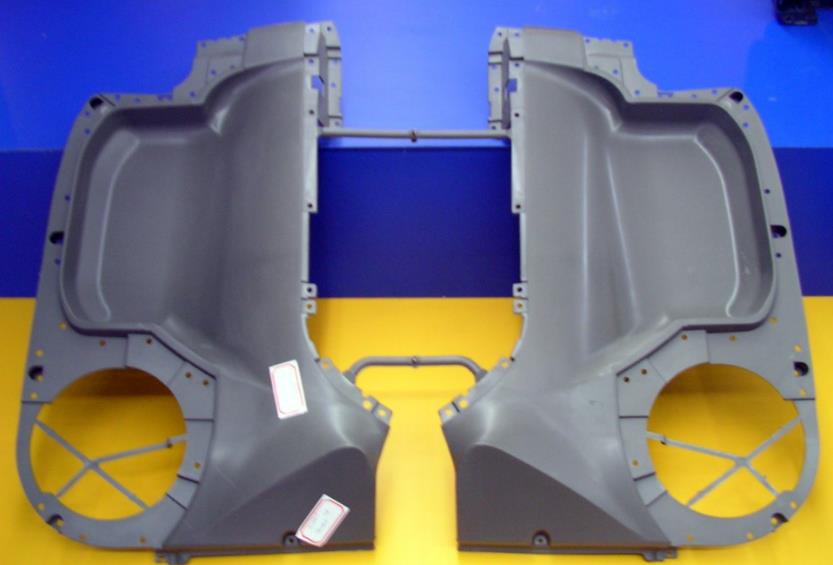
Automotive: Lightweight, Complex Components
Modern vehicles contain hundreds of plastic components—from engine parts to interior trim. Mould suppliers enable:
- Weight reduction: Replacing metal with plastic improves fuel efficiency
- Integration: Multiple features molded into single components
- Complex geometries: Aerodynamic shapes that were previously impossible
Medical: Customization and Precision
Mould suppliers are essential to medical device manufacturing:
- Custom implants: Patient-specific designs enabled by 3D-printed moulds
- Precision components: Syringes, catheters, and surgical tools with micron-level tolerances
- Biocompatibility: Materials and processes that meet strict regulatory standards
Consumer Electronics: Miniaturization and Aesthetics
Slim smartphones, sleek laptops, wearable devices—all rely on precision moulds:
- Thin-wall molding: Parts with walls under 1 mm
- Cosmetic surfaces: Mirror finishes and textures
- Integration: Multiple materials in one component (overmolding)
Aerospace: Strength and Weight Reduction
Aerospace components demand exceptional strength-to-weight ratios:
- Carbon-fiber composite moulds: Enable production of lightweight structural components
- High-temperature materials: Withstand extreme operating conditions
- Precision: Tolerances that ensure safety and performance
What Challenges Do Mould Suppliers Face?
| Challenge | Impact | How Suppliers Address |
|---|---|---|
| Rapidly evolving technology | Constant investment required | R&D; equipment upgrades; technician training |
| Intense competition | Price pressure | Differentiate through quality, service, specialization |
| Tight deadlines | Fast-paced product cycles | Efficient processes; parallel workflows; experienced teams |
| Material complexity | New materials require new techniques | Continuous learning; material testing; partnerships |
| Skilled labor shortage | Experienced mould makers retiring | Apprenticeship programs; knowledge transfer |
Yigu Technology’s Perspective
As a custom manufacturer, we understand the critical role mould suppliers play. We’ve seen firsthand how the right partner transforms production:
- Speed: A well-designed mould cuts cycle time by 20–30%
- Quality: Precision tooling reduces defect rates from 5% to under 1%
- Innovation: Advanced materials and techniques enable designs that were previously impossible
We believe mould suppliers deserve recognition as true manufacturing heroes. They don’t just build tools—they enable industries, drive innovation, and make modern life possible.
Conclusion
Mould suppliers are the foundation of modern manufacturing. Their contributions span:
- Efficiency: Reducing production cycles by 30% on average
- Cost-effectiveness: Enabling economies of scale—from $5 per part to $0.05
- Innovation: Embracing new materials and technologies (3D printing, CNC, automation)
- Industry enablement: Automotive, medical, electronics, aerospace—all depend on precision moulds
They operate behind the scenes, but without them, the products we use every day wouldn’t exist. In the manufacturing world, mould suppliers aren’t just suppliers—they’re heroes.
FAQ
What factors should I consider when choosing a mould supplier?
Consider experience in your specific industry, manufacturing capabilities (3D printing, CNC, automation), quality control measures (certifications, inspection processes), ability to meet deadlines, customer service, and cost-effectiveness. A supplier with relevant experience will understand your quality requirements and production challenges.
How can mould suppliers help in product innovation?
Mould suppliers contribute to innovation through design expertise—suggesting improvements based on manufacturability. They use advanced technologies (3D printing, complex cooling channels) to enable unique designs. They also stay current on material trends, recommending new materials that enhance product performance and open possibilities for new features.
What are the common challenges faced by mould suppliers?
Common challenges include keeping pace with rapidly evolving technologies (requiring significant equipment investment), intense market competition (making differentiation essential), meeting tight deadlines in fast-paced industries like electronics, and adapting to new materials with specialized processing requirements. Skilled labor shortages also pose ongoing challenges.
How do mould suppliers reduce production costs?
Mould suppliers reduce costs through several mechanisms: designing for efficient production (reducing cycle times), enabling high-volume manufacturing (spreading fixed costs across more parts), minimizing defect rates (reducing scrap and rework), and leveraging material purchasing power (passing savings to clients). A well-designed mould pays for itself through lower per-part costs.
What technologies are transforming mould making?
Key technologies include 3D printing (enabling complex geometries and conformal cooling), advanced CNC machining (micron-level precision), automation and robotics (consistent quality, higher speed), and simulation software (predicting flow, cooling, and defects before manufacturing). Suppliers who invest in these technologies deliver better quality and faster lead times.
Contact Yigu Technology for Custom Manufacturing
At Yigu Technology, we take pride in being the behind-the-scenes partner that makes manufacturing possible. Our moulds enable our clients to produce high-quality products efficiently and cost-effectively.
We offer:
- Custom mould design and manufacturing
- Advanced technologies (CNC, EDM, 3D printing capabilities)
- Experience across automotive, medical, electronics, and consumer goods
- Rigorous quality control with full documentation
[Contact Yigu Technology today] to discuss your mould project. Let’s build the tools that build your success.