
Introduction
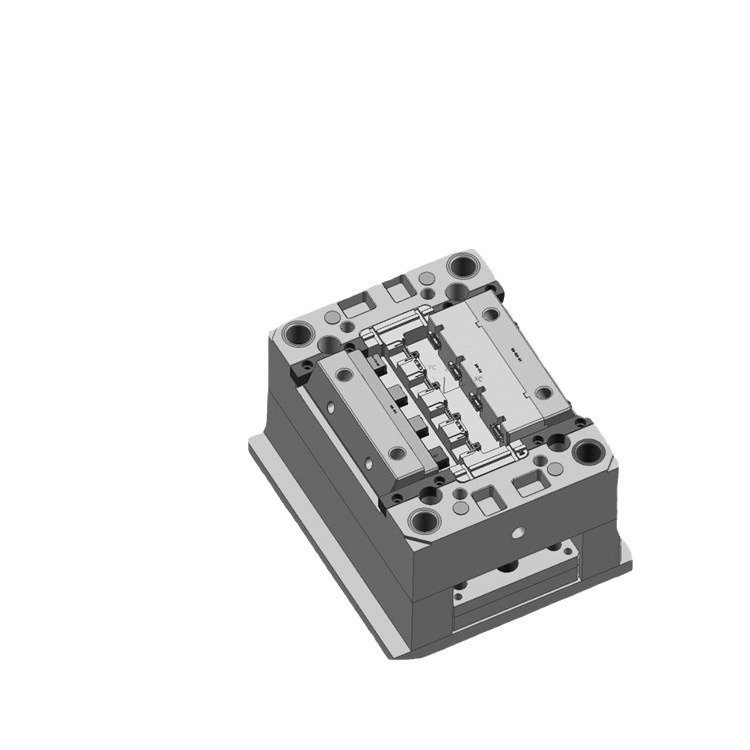
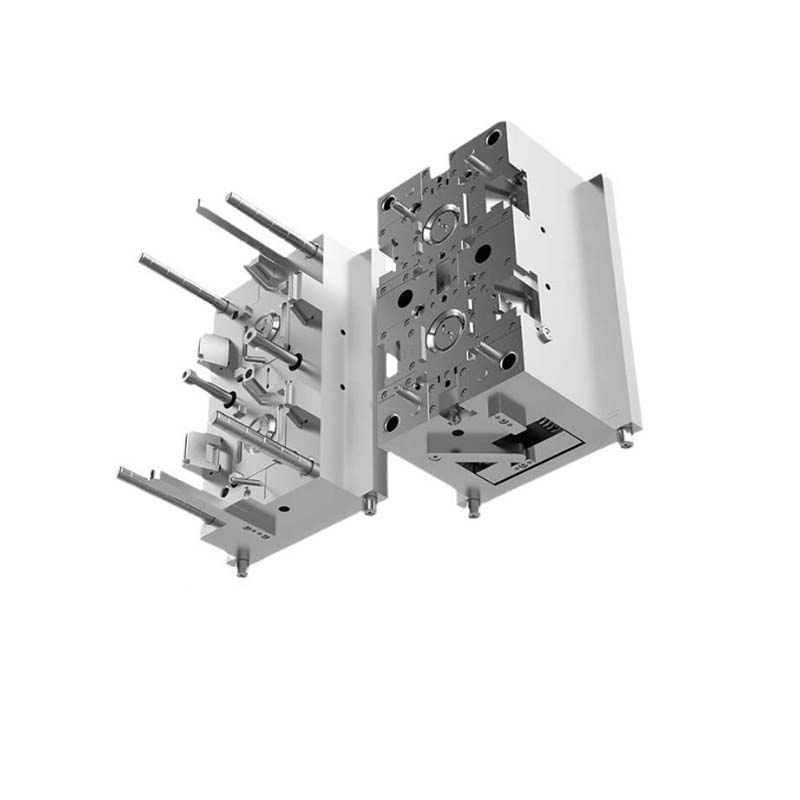
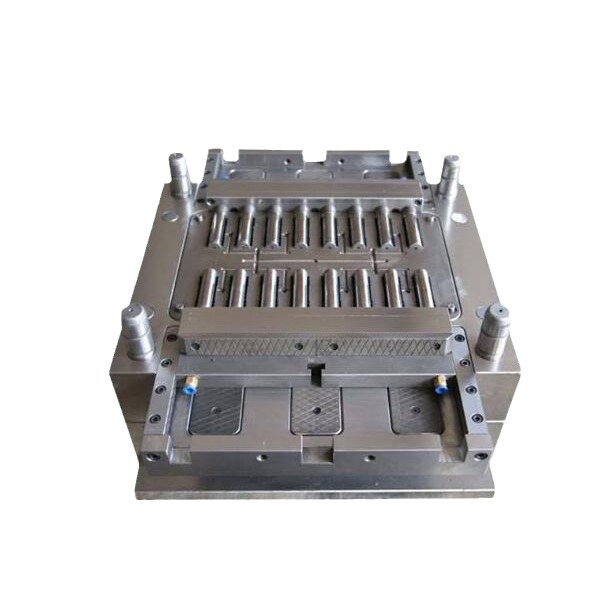
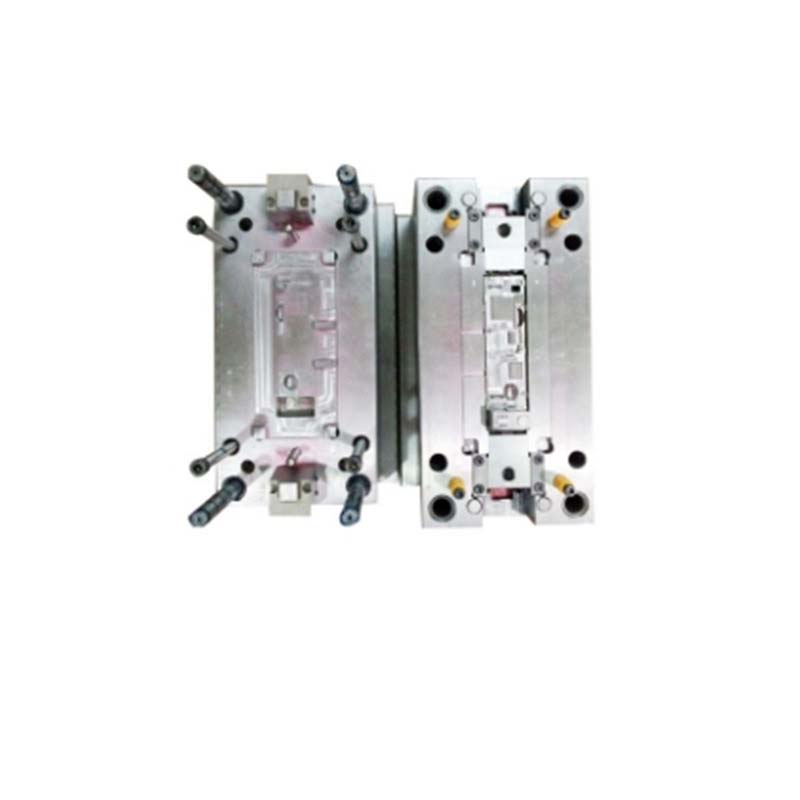
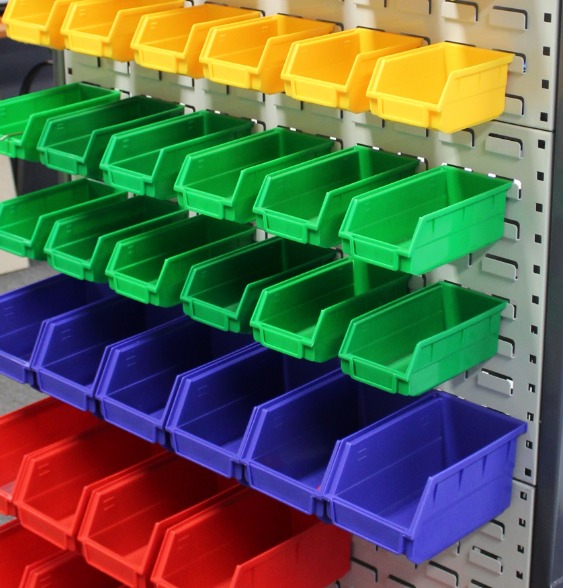
Injection molds are the foundation of modern manufacturing. They enable mass production of high-quality plastic products with precision and efficiency. From tiny electronic components to large automotive parts, injection molds shape countless items we use daily.
The injection molding process offers high efficiency, tight tolerances, and compatibility with a wide range of materials—from common plastics like polyethylene and polypropylene to high-performance engineering plastics.
When sourcing injection molds, more businesses are turning to China. The country has emerged as a global powerhouse in the injection mold industry, offering a combination of cost-effectiveness, high-quality production, and deep technical expertise. This guide explores the benefits of choosing Injection Mold China and why it may be the smartest decision for your business.
How Does Cost-Effectiveness Benefit Your Bottom Line?
Lower Production Costs
Cost is often the primary driver for sourcing injection molds from China. The country’s well-developed industrial supply chain enables manufacturers to source high-quality raw materials at competitive prices.
For steel—a common mold material—prices in China can be 20 to 30 percent lower compared to some Western countries. This is due to large-scale domestic steel production and a vast network of suppliers.
Labor costs also contribute significantly. The average labor cost for mold manufacturing in China is approximately one-third to one-fifth of that in developed countries like the United States or Germany. For a medium-sized injection mold project, labor cost savings can amount to tens of thousands of dollars.
Economies of Scale
China’s position as a global manufacturing hub allows mold manufacturers to benefit from economies of scale. High demand both domestically and internationally enables large-volume production.
For example, an automotive injection mold manufacturer might receive orders for thousands of molds for car interior components. By producing such large volumes, fixed costs—equipment, factory rent, management expenses—are spread over more units. This can reduce the unit cost of each injection mold by 15 to 25 percent.
Case example: A major electronics company switched its injection mold sourcing to a Chinese manufacturer. Production volume increased from 500,000 to 1 million plastic casings annually. The result: a 20 percent reduction in cost per mold and improved production efficiency, as the supplier invested in advanced equipment with the increased order volume.
How Is High-Quality Manufacturing Achieved?
Advanced Technology and Equipment
Chinese injection mold manufacturers invest heavily in state-of-the-art technology and equipment.
High-precision machining centers are widely used. Many factories have five-axis high-speed machining centers with spindle speeds reaching 40,000 rpm in advanced models. These machines can process complex three-dimensional surfaces—such as those required for intricate automotive interior parts or high-end consumer electronics housings—with machining accuracy as high as ±0.001 mm.
EDM (Electrical Discharge Machining) is another critical technology. It is especially useful for creating molds with complex shapes—deep grooves, narrow slots, fine details. EDM can accurately process high-hardness materials like hardened steel and carbide. For precision medical device components, EDM creates the precise internal structures and fine surface finishes required. Advanced EDM machines achieve surface roughness of Ra ≤ 0.1 μm.
Stringent Quality Control
Quality control is a top priority for Chinese injection mold manufacturers. Many adhere to international standards like ISO 9001, ensuring strict monitoring from raw material procurement to final product delivery.
Raw material inspection: Steel must meet specific chemical composition and physical property requirements before production begins.
In-process inspections: Operators use advanced measuring tools like coordinate measuring machines (CMMs) to check dimensions during machining. These CMMs measure with accuracy up to ±0.0001 mm, ensuring each mold component stays within specified tolerance.
Final inspections: Comprehensive quality assessment includes dimensional accuracy, surface finish, and functionality testing. According to industry statistics, the qualified rate of injection molds from Chinese manufacturers following strict quality control procedures can exceed 98 percent.
This high-quality output translates to fewer production issues and lower costs associated with mold replacements and repairs over time.
What Industry Experience and Skilled Workforce Exist?
Long-Standing Industry Presence
China’s injection mold industry has a rich development history spanning several decades. From basic mold production for simple plastic products, the industry has grown alongside the electronics, automotive, and consumer goods sectors.
Chinese manufacturers have accumulated extensive experience across diverse projects—from small-scale components to large, high-precision molds for automotive and aerospace industries.
In automotive manufacturing, Chinese manufacturers produce injection molds for bumpers, interior panels, and engine components. Through continuous innovation, they have mastered complex curved surfaces and high-strength material requirements. This long-standing presence and project experience make Chinese manufacturers highly capable of handling even the most challenging manufacturing needs.
Skilled and Trained Workers
The injection mold industry in China benefits from a large pool of skilled workers trained through comprehensive programs.
Technical schools and vocational training centers offer specialized courses in mold design, manufacturing, and maintenance. Students learn:
- CAD/CAM software for mold design
- 3D modeling and injection molding simulation
- Tool path generation
- Operation of CNC machining centers, EDM machines, and milling equipment
Problem-solving in action: When a mold for high-precision medical device components developed irregularities in internal channels, a team of skilled Chinese workers quickly diagnosed the issue. They identified wear on a specific cutting tool, adjusted machining parameters, and replaced the worn tool. After adjustments, they inspected the mold using advanced measuring equipment to ensure channels met required precision. The problem was solved promptly, minimizing production downtime and ensuring final product quality.
How Do Chinese Manufacturers Support Customization?
Chinese injection mold manufacturers excel at customization. They work closely with clients from the design stage, understanding specific product requirements—whether for complex geometries, unique material properties, or specific production volumes.
Design support: Many manufacturers offer design assistance, using CAD/CAM software to optimize mold designs for manufacturability. They can simulate the injection molding process to identify potential issues before production begins.
Material flexibility: Manufacturers work with a wide range of materials—from standard steels like P20 to high-performance grades like 718 and S136—and can recommend optimal materials based on product requirements.
Surface finishing: Custom surface finishes—polished, textured, or coated—are available to meet specific aesthetic or functional needs.
Yigu Technology’s Perspective
As a custom supplier of non-standard plastic and metal products, we have witnessed the remarkable growth of China’s injection mold industry firsthand.
Long-standing presence: With decades of experience, we have served diverse industries, including automotive and medical. In automotive, we provide high-quality injection molds meeting strict safety and durability requirements. In medical, our molds ensure precise, hygienic plastic parts for medical devices.
Advanced quality control: We adhere to international standards like ISO 9001. From raw material inspection to in-process and final product checks, we maintain rigorous quality control at every stage.
Skilled workforce: Our team is trained in-house and through industry-recognized programs. They are well-versed in the latest injection mold manufacturing techniques and handle complex projects with ease.
Choosing Injection Mold China—especially with partners like Yigu Technology—means gaining access to cost-effective, high-quality molds backed by rich experience and technical expertise.
Conclusion
Choosing Injection Mold China offers compelling benefits for businesses seeking cost-effective, high-quality manufacturing solutions. Lower production costs—driven by competitive raw material prices and labor rates—deliver immediate budget advantages. Economies of scale further reduce per-unit costs for high-volume production.
Advanced technology and equipment ensure precision manufacturing. Stringent quality control processes achieve qualified rates exceeding 98 percent. A long-standing industry presence and skilled workforce provide the expertise to handle complex projects and solve problems efficiently.
For businesses looking to optimize manufacturing costs while maintaining quality, Injection Mold China represents a proven path to success.
FAQ
What are the common materials used in injection mold manufacturing in China?
Common steel grades include P20 (28–34 HRC) for general-purpose molds like plastic toys and simple household products, and 718 (33–37 HRC) for higher precision applications like automotive interior parts. Common plastics include polyethylene (LDPE and HDPE) for flexible and rigid applications, and polypropylene (PP) for kitchenware, automotive parts, and medical devices.
How can I ensure the quality of injection molds ordered from China?
Check manufacturer certifications like ISO 9001. Request samples of previous work or a sample mold similar to your needs. Inspect samples for dimensional accuracy, surface finish, and functionality. If possible, conduct a factory visit to observe equipment, working environment, and quality control procedures firsthand.
What is the typical lead time for injection mold production in China?
Lead times typically range from 20 to 60 days. Simple two-plate molds may take 20–30 days. Complex multi-cavity molds with intricate internal structures—such as those for high-precision medical components—can take 45–60 days or longer. Order quantity and raw material availability also affect lead times.
Contact Yigu Technology for Custom Manufacturing
Looking for a reliable injection mold partner in China? Yigu Technology specializes in custom non-standard plastic and metal products. Our team combines cost-effective manufacturing with rigorous quality control and deep technical expertise.
Reach out today to discuss your next project. Let us help you achieve manufacturing success with the right injection mold solution.