Introduction
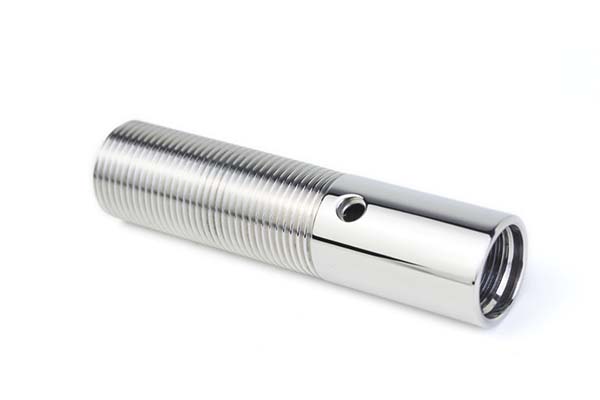
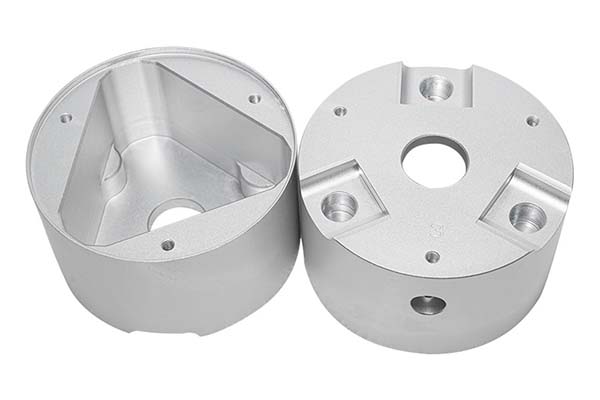
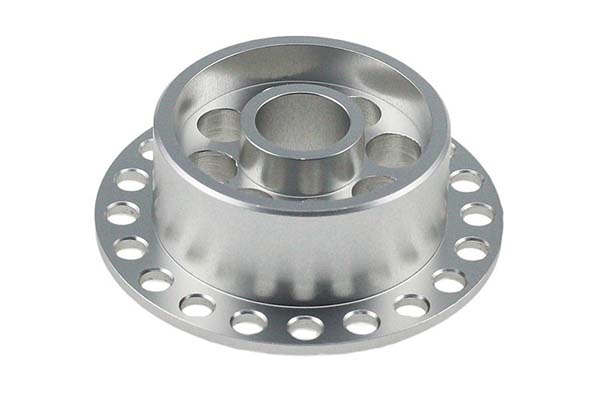
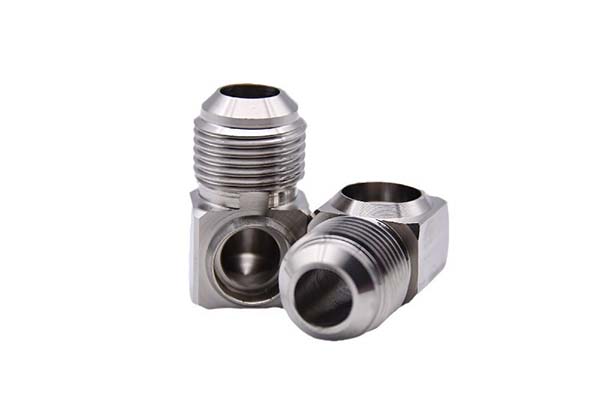
In modern manufacturing, CNC machined components have emerged as the cornerstone of precision engineering. These components result from a highly automated process where computer-controlled machines execute complex operations with micron-level accuracy.
In aerospace, CNC machined components create critical parts like turbine blades—each blade identical in shape and dimension, optimizing engine performance and safety. The International Air Transport Association (IATA) reports that demand for more fuel-efficient and reliable aircraft engines has driven 15% annual growth in CNC machined components use in aerospace manufacturing over the past five years.
In automotive, CNC-machined engine components achieve 10–15% improvement in fuel efficiency compared to traditional manufacturing methods (Society of Automotive Engineers). Tight tolerances reduce friction within the engine, leading to better energy utilization.
In medical devices, CNC machining produces implants, surgical instruments, and diagnostic equipment with high precision and repeatability—meeting strict healthcare quality and safety standards. Hip implants can be customized to fit each patient’s unique anatomy, improving surgical success rates and patient quality of life.
Given this integral role, partnering with reliable CNC machined components manufacturers is a strategic imperative for businesses aiming to maintain high-quality production, gain a competitive edge, and meet evolving market demands.
How Do CNC Manufacturers Ensure Precision and Quality?
Advanced Technology and Equipment
| Technology | Capability |
|---|---|
| Multi-axis CNC machining centers | 5-axis or 7-axis machines—simultaneous control along five axes; complex geometries in single setup; reduces errors from multiple setups |
| High-speed spindles | Up to 40,000 RPM—faster material removal; maintains high precision |
| Advanced servo-motor systems | Positioning accuracy ±0.001 mm—error no more than 1 micron |
Stringent Quality Control Measures
| Stage | Method |
|---|---|
| Raw material inspection | Spectrometric analysis—verify chemical composition; hardness testing—meet mechanical properties |
| In-process inspection | CMM (Coordinate Measuring Machine)—measure dimensions up to 0.001 mm accuracy; check deviations from specifications |
| Final inspection | Dimensional checks; surface roughness testers—measure Ra values; aerospace components may require Ra 0.1 μm |
How Do CNC Manufacturers Achieve Cost-Efficiency?
Economies of Scale
Fixed costs (equipment depreciation, software licensing, setup labor) spread over larger production volumes reduce per-unit cost.
| Order Quantity | Fixed Cost per Unit ($) | Variable Cost per Unit ($) | Total Cost per Unit ($) |
|---|---|---|---|
| 100 | 100 | 50 | 150 |
| 500 | 20 | 50 | 70 |
| 1,000 | 10 | 50 | 60 |
| 5,000 | 2 | 50 | 52 |
Impact: Businesses can purchase CNC machined components at more competitive prices when ordering in bulk—especially beneficial for large-scale production industries (automotive, consumer electronics).
Minimizing Waste
| Method | Material Utilization Rate |
|---|---|
| Traditional milling | 40–60% |
| CNC milling | 80–90% |
Example: A company producing 10,000 metal components (1 kg each):
- Traditional (50% utilization): 20,000 kg raw material; 10,000 kg waste
- CNC (85% utilization): ~11,765 kg raw material; saves ~8,235 kg
Benefits: Reduced raw material costs; positive environmental impact.
What Customization Capabilities Do CNC Manufacturers Offer?
Meeting Diverse Industry Requirements
| Industry | Requirements | CNC Capability |
|---|---|---|
| Aerospace | Lightweight; extremely strong—titanium alloys | Specialized cutting tools; techniques to precisely machine titanium components |
| Medical | Customized—patient-specific implants | 3D scanning creates digital model of patient anatomy; CNC machines produce precise shapes and dimensions |
| Electronics | Small; lightweight; high-precision surface finishes | High-speed CNC milling—small, intricate components (smartphone frames) |
Design and Engineering Support
| Service | Benefit |
|---|---|
| CAD/CAM design | Highly detailed 3D models—easily modified and optimized |
| Material selection advice | Ensures material meets performance requirements while suitable for CNC machining |
| CAE simulations | Predicts component performance under real-world conditions—reduces failure risk |
| Design for Manufacturability (DFM) | Optimizes design for easier, more cost-effective CNC production |
What Are Typical Lead Times?
| Order Type | Typical Lead Time |
|---|---|
| Small-scale orders; standard designs; readily-available materials | 3–5 days |
| Large-scale production runs; complex designs; hard-to-obtain materials | 2–4 weeks or longer |
Factors: Programming and setup time; material procurement; complexity of machining.
How Do You Ensure Quality of CNC Machined Components?
| Step | Action |
|---|---|
| Choose manufacturer | Proven track record; relevant certifications (ISO 9001, AS9100) |
| Request quality documentation | Quality control procedures; inspection reports from previous projects |
| Provide clear specifications | Tolerances; material requirements; surface finish standards |
| Maintain communication | Address issues promptly during production |
| Sample production | Have sample produced and tested before full-scale order |
Conclusion
Partnering with CNC machined components manufacturers offers essential benefits:
- Precision and quality assurance: Multi-axis machines (5-axis, 7-axis); high-speed spindles (40,000 RPM); positioning accuracy ±0.001 mm; CMM inspection to 0.001 mm; surface finishes to Ra 0.1 μm
- Cost-efficiency: Economies of scale—fixed cost per unit drops from $100 (100 units) to $2 (5,000 units); material utilization 80–90% vs. 40–60% traditional; reduces raw material costs and waste
- Customization capabilities: Aerospace (titanium), medical (patient-specific implants via 3D scanning), electronics (small, high-precision components); CAD/CAM; CAE simulations; DFM support
- Time-saving: Lead times 3–5 days for small orders; just-in-time delivery options
By leveraging these benefits, businesses can enhance quality, cost-effectiveness, and timeliness of product manufacturing—gaining competitive advantage in the global market.
FAQs
What is the typical lead time for CNC machined components?
Lead times vary widely:
- Small-scale orders; standard designs; readily-available materials: 3–5 days
- Large-scale production; complex designs; hard-to-obtain materials: 2–4 weeks or longer
Complex designs require more programming and setup time; material procurement can add significant time.
How can I ensure the quality of CNC machined components?
- Choose manufacturer with proven track record and certifications (ISO 9001, AS9100)
- Request quality control procedures and inspection reports from previous projects
- Provide clear, detailed specifications—tolerances, material requirements, surface finish standards
- Maintain regular communication during production
- Have a sample produced and thoroughly tested before full-scale production
Can CNC machined components be customized for unique applications?
Yes. Process:
- Detailed design discussion with manufacturer
- Manufacturer engineering team creates digital model using CAD/CAM
- Model optimized for manufacturability and cost-effectiveness
- CNC machines programmed according to digital model
Customized components may have longer lead times and higher costs due to additional engineering and production efforts.
What certifications should I look for in a CNC manufacturer?
- ISO 9001: General quality management
- AS9100: Aerospace industry
- ISO 13485: Medical devices
- IATF 16949: Automotive
How does CNC machining reduce material waste compared to traditional methods?
CNC machines operate on precise computer-generated instructions—execute complex cutting paths with high accuracy, removing only necessary material. Traditional methods (manual milling, turning) lack precise control, leading to over-cutting or inaccurate cuts. CNC achieves 80–90% material utilization vs. 40–60% for traditional machining.
Contact Yigu Technology for Custom Manufacturing
At Yigu Technology, we partner with CNC machined components manufacturers to deliver precision, cost-effective, and customized solutions for aerospace, medical, automotive, and industrial applications. With 15 years of experience, advanced 5-axis CNC machining, and ISO 9001 certification, we ensure components meet exact specifications.
Our services include design for manufacturability (DFM), CAD/CAM support, and rigorous quality control—CMM inspection, in-process monitoring, and full documentation. Contact us today to discuss your CNC machined components requirements.