Introduction
Prototype CNC machining has emerged as a cornerstone of modern product development. It offers precision, flexibility, and speed unmatched by traditional methods. By leveraging automated cutting tools guided by digital designs, this technology transforms raw materials into intricate prototypes and end-use parts. This guide explores how prototype CNC machining is reshaping industries—from automotive to aerospace—by addressing critical challenges in cost reduction, design iteration, and time-to-market acceleration. We will compare CNC machining with traditional prototyping methods, examine real-world case studies, and demonstrate why this technology is a catalyst for innovation.
What Is Prototype CNC Machining and Why Does It Matter?
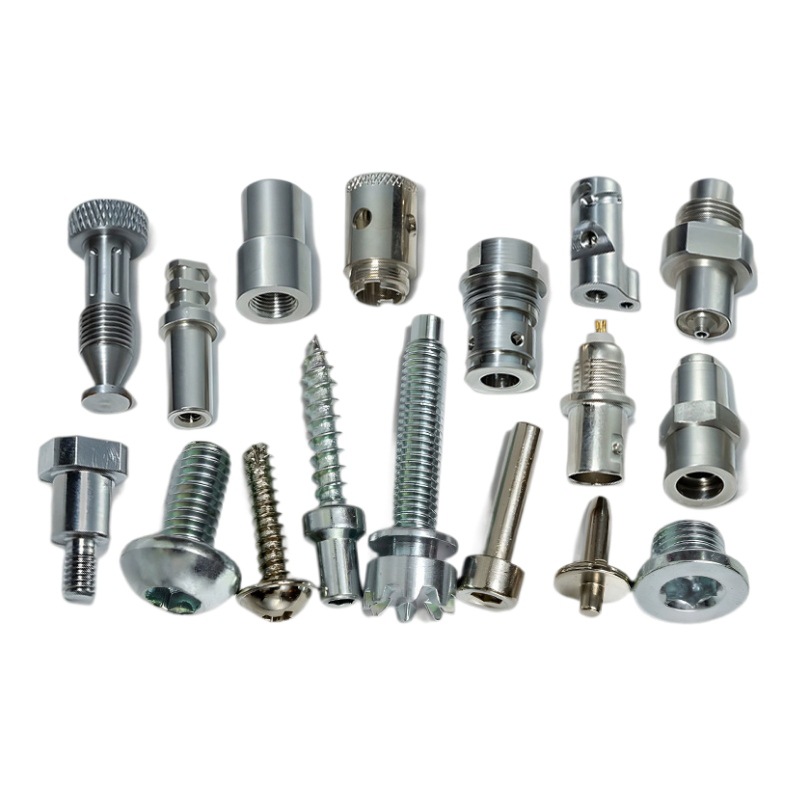
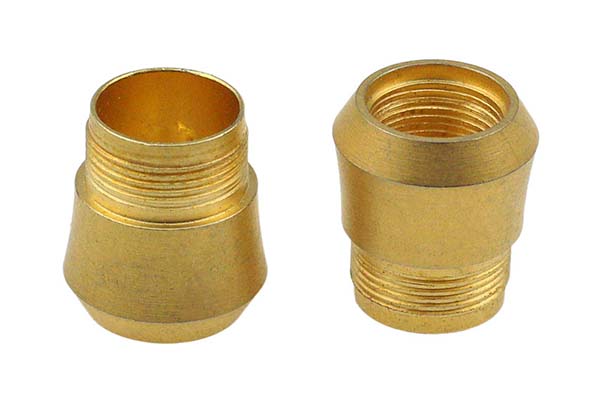
Prototype CNC machining uses computer-controlled cutting tools to create precise, functional prototypes from digital designs. It works with a vast array of materials—metals (aluminum, steel, titanium), plastics (ABS, PLA, nylon), composites, and even wood.
Material Versatility
| Material | Machinability Rating (1=easiest) | Typical Applications |
|---|---|---|
| Aluminum | 1 | Automotive parts, aerospace components, electronics enclosures |
| Steel | 3 | Machinery parts, molds, tooling |
| Titanium | 4 | Aerospace engine components, medical implants, high-performance sports equipment |
| Plastic (ABS, PLA) | 2 | Consumer product prototypes, small-scale production |
This versatility makes CNC machining suitable for a wide range of industries. In automotive, CNC-machined prototypes test new engine components, suspension parts, and body designs. Engineers iterate rapidly, reducing time to market. In medical, CNC machining creates custom prosthetics, surgical instruments, and implants with high precision, ensuring perfect fit for patients.
How Does CNC Machining Compare to Traditional Prototyping?
To understand the revolutionary potential of prototype CNC machining, we must compare it with traditional methods.
Precision and Tolerance
| Aspect | CNC Machining | Traditional Prototyping |
|---|---|---|
| Typical tolerance | ±0.01 mm | ±0.1 – 0.3 mm |
CNC machines achieve extremely tight tolerances. In aerospace, where even the slightest deviation can have catastrophic consequences, CNC-machined components meet ultra-tight requirements. Traditional methods like manual machining or basic rapid prototyping often have much looser tolerances—a significant drawback when prototypes must accurately represent final products for functional testing.
Material Compatibility
| Aspect | CNC Machining | Traditional Prototyping |
|---|---|---|
| Materials | Metals, plastics, composites, wood | Often limited to specific resins or powders |
CNC machining works with a vast array of materials. Traditional methods like FDM 3D printing are often limited to PLA and ABS filaments—restricting material options when the final product requires specific properties like high strength or heat resistance.
Design Complexity
| Aspect | CNC Machining | Traditional Prototyping |
|---|---|---|
| Complex geometries | Supports intricate shapes, undercuts, internal structures | Layer-by-layer limitations; stair-stepping on curves; support structures needed |
Multi-axis CNC machines (5-axis and 6-axis) can machine parts with complex curves, cavities, and internal structures—such as engine cylinder heads with intricate cooling passages. Traditional methods struggle with deep undercuts and often require support structures that may damage the prototype upon removal.
Functional Testing Capability
| Aspect | CNC Machining | Traditional Prototyping |
|---|---|---|
| Testing | Stress, fatigue, thermal resistance | Primarily visual/concept validation |
CNC-machined parts closely mimic the material properties and dimensional accuracy of final products. A CNC-machined suspension component can undergo rigorous fatigue testing on a dynamometer. Traditional prototypes made of low-strength resin may not withstand the same stress levels—limiting functional validation.
Cost-Efficiency
| Aspect | CNC Machining | Traditional Prototyping |
|---|---|---|
| Cost structure | Competitive with economies of scale | Higher costs due to tooling setup for mass production |
While CNC machining has higher initial equipment costs, it offers competitive pricing for larger production runs as fixed costs spread over more units. Traditional methods like injection molding require expensive molds—design changes during prototyping can be prohibitively costly.
What Do Real-World Case Studies Show?
Automotive Component Development
A leading automotive firm developed a new engine part. Previously reliant on traditional prototyping, they switched to CNC-machined aluminum prototypes.
| Metric | Improvement |
|---|---|
| Prototyping cost | Reduced by 40% |
| Design-to-production timeline | Accelerated by 6 weeks |
Why it worked:
- No custom tooling: CNC machining eliminated expensive molds.
- Quick iterations: Fewer iterations needed, saving time and material.
- Early testing: Durability tests under extreme conditions provided data for informed design decisions.
The result: faster time to market and a competitive edge.
Aerospace Tooling Validation
Aerospace engineers needed custom jigs for composite part assembly. They used CNC-machined titanium prototypes.
| Metric | Improvement |
|---|---|
| Final product alignment | Improved by 95% |
| Waste | Minimized due to accurate fit |
Why it worked:
- Extreme precision: Titanium prototypes with tight tolerances ensured perfect jig fit.
- Material properties: Titanium’s high strength, low weight, and corrosion resistance matched aerospace requirements.
- Efficient iteration: Digital design modifications quickly translated into new prototypes.
The result: reduced rework, improved structural integrity, and faster development cycles.
What Is Yigu Technology’s Perspective?
At Yigu Technology, we view prototype CNC machining as a catalyst for innovation. Its precision (±0.01 mm), material versatility (aluminum, steel, titanium, plastics), and ability to handle complex geometries enable engineers to quickly transform ideas into functional prototypes. This shortens the gap between concept and reality, allowing iterative design processes that lead to better-performing products.
We have seen firsthand how CNC machining reduces prototyping costs by up to 40% and accelerates design-to-production timelines by weeks. In industries like automotive and aerospace, where performance and safety are paramount, CNC-machined prototypes provide the functional testing capability needed to validate designs before committing to production.
Conclusion
Prototype CNC machining is revolutionizing product development through precision, material versatility, design complexity handling, functional testing capability, and cost-efficiency. It achieves tolerances of ±0.01 mm —far tighter than traditional methods (±0.1–0.3 mm). It works with metals, plastics, and composites—unlike traditional methods limited to specific resins. It supports intricate geometries and undercuts with multi-axis machines, while traditional methods face layer-by-layer limitations. CNC-machined parts are ideal for stress, fatigue, and thermal testing—traditional prototypes often serve only visual validation. Real-world case studies show 40% cost reduction in automotive prototyping and 95% alignment improvement in aerospace tooling. CNC machining is not just a tool for creating prototypes—it is a catalyst for innovation, enabling engineers to iterate efficiently and bring better products to market faster.
FAQs
What materials can be used for prototype CNC machining?
Common materials include aluminum (lightweight, easy to machine), steel (strong, durable), titanium (high strength-to-weight, corrosion-resistant), and plastics like ABS and nylon. Material selection depends on application requirements for strength, weight, and thermal properties.
How does CNC machining compare to 3D printing for prototyping?
CNC machining offers superior material properties (machining final materials like aluminum or titanium) and better surface finish with tight tolerances (±0.01 mm). 3D printing excels at very complex organic geometries but often uses materials with limited mechanical properties. For functional testing, CNC-machined prototypes are generally superior.
Is CNC machining cost-effective for small-batch prototyping?
Yes. CNC machining eliminates expensive tooling costs associated with methods like injection molding. For small batches (1–100 units), it is highly cost-effective. The ability to quickly modify digital designs and produce new iterations without tooling changes makes it ideal for iterative prototyping.
Contact Yigu Technology for Custom Manufacturing
At Yigu Technology, we specialize in prototype CNC machining for rapid product development. Our 3-axis, 4-axis, and 5-axis CNC machines achieve tolerances as tight as ±0.01 mm . We work with aluminum, steel, titanium, and engineering plastics—providing functional prototypes that closely mimic final product properties. From automotive engine components to medical device prototypes, we deliver precision parts that accelerate your development cycle. We provide DFM feedback to optimize your designs for manufacturability, ensuring a smooth transition from prototype to production.
Ready to revolutionize your product development with CNC machining? Contact Yigu Technology today for a free consultation and quote. Let us help you turn your ideas into reality—faster and more precisely.