Introduction
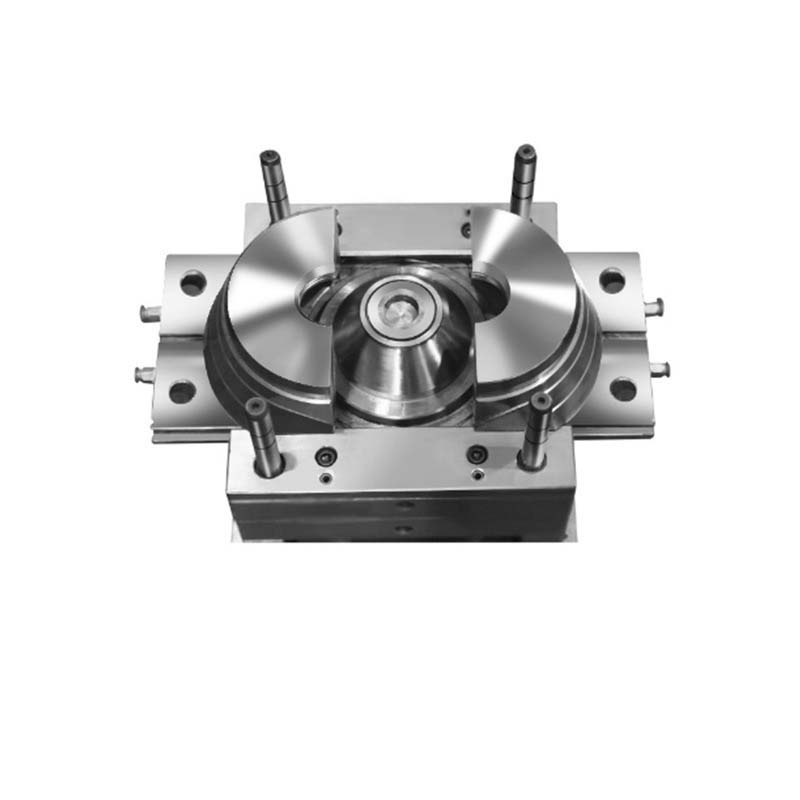
You have a part design. You need it manufactured. The mold is the gateway to production—and choosing the wrong mold company can derail your entire project.
China has become a global hub for mold making. Thousands of companies offer competitive pricing. But quality varies dramatically. Some deliver precision molds that run for millions of cycles. Others cut corners, delivering tools that wear out quickly or produce inconsistent parts.
This guide walks you through how to evaluate and select a China mold company. We’ll cover what to look for in experience, quality systems, capacity, communication, and cost. Whether you’re a first-time buyer or sourcing for an established product line, you’ll find practical criteria to make an informed decision.
Why Does Mold Quality Matter So Much?
Before selecting a mold maker, understand what’s at stake. The mold is the most expensive tool in injection molding. It determines:
- Part quality : A precision mold produces parts within tolerance, cycle after cycle
- Production efficiency : Well-designed molds cool faster, cycle quicker, and eject cleanly
- Tooling lifespan : Quality materials and construction mean the mold lasts for hundreds of thousands—or millions—of cycles
A poor mold leads to defects, downtime, and constant repairs. The savings from a lower initial price evaporate quickly when production stops every week for maintenance.
A manufacturer once chose a mold maker solely on price—$8,000 versus $15,000 from another supplier. The cheap mold arrived with misaligned cores. It produced flash on every part. After 20,000 cycles, the mold failed completely. Total cost: $8,000 lost, plus $15,000 to build a replacement, plus six weeks of production delay.
What Experience and Expertise Should You Look For?
Years in Business
Experience matters. A company with 10–15 years in mold making has likely encountered a wide range of challenges. They understand how different materials behave. They know how to optimize cooling, gating, and ejection for specific applications.
Ask about their project history. Have they worked in your industry—automotive, medical, electronics, consumer goods? Each industry has different requirements:
- Medical : Tight tolerances, cleanability, documentation
- Automotive : High-volume durability, thermal cycling
- Electronics : Precision fits, cosmetic surfaces
Technical Team
A strong mold company invests in engineering talent. Look for:
- In-house design engineers using advanced CAD/CAM
- Mold flow analysis capability to simulate filling before cutting steel
- Experienced toolmakers who understand machining, assembly, and debugging
One indicator: do they offer design feedback before building the mold? A company that reviews your part and suggests improvements—like adding draft or adjusting wall thickness—demonstrates expertise that prevents problems later.
How Do You Evaluate Quality Assurance?
Materials
Mold steel quality affects lifespan. Common grades include:
- P20 : Good for medium-volume runs; machinable
- H13 : Heat-resistant; ideal for high-volume or high-temperature materials
- Stainless steel : For medical or corrosive applications
Ask what steel they use. Top-tier companies source from reputable international suppliers with material certification.
Quality Systems
ISO 9001 certification is a baseline. It indicates the company has documented quality processes.
Look for specific quality practices:
- In-process inspection : Checking dimensions during machining, not just at the end
- CMM inspection : Coordinate measuring machines verify critical dimensions
- First article inspection : Running sample parts and measuring thoroughly before production
Testing and Validation
A reputable mold company tests before shipping. This includes:
- Dry cycling : Verifying moving parts operate smoothly
- Sample runs : Producing parts to validate quality
- Measurement reports : Documenting part dimensions against specifications
If a company offers to ship the mold without testing, consider that a red flag.
What Production Capacity and Lead Times Matter?
Equipment and Scale
A company’s equipment determines what they can build and how fast.
| Capability | Why It Matters |
|---|---|
| Number of CNC machines | More machines mean faster delivery and less backlog |
| Machine precision | High-speed, 5-axis machines enable complex geometries |
| EDM capability | Essential for intricate features and sharp corners |
| In-house inspection | Faster quality checks without outsourcing |
A company with 50 injection molding machines for sampling and production can handle larger orders than one with 10. But don’t assume bigger is always better—some smaller shops specialize in high-precision, low-volume work.
Lead Times
Standard mold lead times range from 4–8 weeks for simpler tools to 8–12 weeks for complex molds with slides, lifters, and hot runners.
Ask about their current workload. A company with a backlog may quote longer lead times or rush your mold at the expense of attention to detail.
How Do You Assess Cost-Effectiveness?
Beyond the Initial Price
The cheapest quote rarely delivers the lowest total cost. Consider:
| Cost Factor | Cheap Mold | Quality Mold |
|---|---|---|
| Initial price | Lower | Higher |
| Maintenance frequency | Frequent | Minimal |
| Downtime | Regular | Rare |
| Scrap rate | Higher | Lower |
| Lifespan | 50,000–200,000 cycles | 500,000–2,000,000+ cycles |
A study of injection molding projects found that choosing a higher-quality mold saved an average of 20% in overall production costs over the mold’s lifecycle compared to a cheaper alternative.
Transparent Quoting
A good mold company provides a detailed quote showing:
- Steel type and cost
- Machining hours
- Component costs (slides, hot runners)
- Testing and sampling fees
Vague quotes with lump sums make it hard to compare apples to apples.
How Important Is Communication?
Language and Responsiveness
English-speaking project managers matter. If communication is difficult, mistakes happen. Look for:
- Prompt responses to inquiries
- Clear explanations of technical issues
- Regular updates on project status
Documentation
A professional company documents everything:
- Design files in standard formats (STEP, IGES)
- Inspection reports with measurements
- Sample part reports with photos
- Mold maintenance instructions
If a company cannot provide clear documentation, assume problems will arise.
Cultural Considerations
Working with China mold companies requires understanding time differences, holiday schedules (Chinese New Year closes factories for weeks), and communication styles. A company with experience serving international clients navigates these issues smoothly.
What About Intellectual Property Protection?
Protecting your design is a legitimate concern. Steps to mitigate risk:
- Use a non-disclosure agreement (NDA) before sharing designs
- Work with established companies that have reputations to protect
- Patent your design where possible
- Avoid sharing more than necessary during quoting
Reputable China mold companies rely on repeat business. They have no incentive to compromise client IP. However, due diligence matters.
How Do You Compare Multiple Suppliers?
Create a structured evaluation. Here’s a sample framework:
| Criteria | Company A | Company B | Company C |
|---|---|---|---|
| Years in business | 15 | 8 | 20 |
| ISO 9001 | Yes | Yes | Yes |
| In-house mold flow analysis | Yes | No | Yes |
| CMM inspection | Yes | Yes | Yes |
| Steel types | P20, H13, stainless | P20 only | P20, H13 |
| Typical lead time | 6–8 weeks | 4–6 weeks | 8–10 weeks |
| Price (mold) | $15,000 | $12,000 | $18,000 |
| English communication | Excellent | Fair | Good |
| International clients | 70% | 40% | 80% |
Visit the facility if possible. A clean, organized shop with well-maintained equipment and professional staff tells you more than any brochure.
What Red Flags Should You Watch For?
- Quotes significantly lower than competitors : Likely indicates cheaper materials or skipped steps
- No in-house engineering : Outsourced design increases miscommunication risk
- No testing before shipping : You become the quality department
- Unwilling to provide references : Past clients should be willing to share experiences
- Vague or inconsistent communication : Problems will escalate during production
Yigu Technology's Perspective
As a custom manufacturer serving international clients, we’ve seen both sides of the mold-sourcing equation. At Yigu Technology , we build molds for our own production—and we’ve learned what works.
Our mold-making team uses H13 and P20 steel from certified suppliers. We run mold flow analysis on every new tool to optimize gating and cooling before machining. Our CMMs verify critical dimensions throughout the process. Every mold undergoes sample runs and inspection before shipping to production.
We understand that our clients aren’t just buying a mold. They’re buying reliable production. A mold that runs consistently, cycles efficiently, and produces parts within spec—for years. That’s what we deliver.
Conclusion
Choosing a China mold company requires more than comparing prices. Experience, quality systems, capacity, communication, and total cost of ownership all matter. A mold is an investment in your production capability. The right partner delivers years of reliable performance. The wrong partner creates endless problems.
Take time to evaluate companies thoroughly. Visit facilities when possible. Check references. Ask detailed questions about materials, testing, and lead times. A disciplined selection process pays back many times over in production uptime and part quality.
FAQ
How can I be sure of mold quality from a Chinese company?
Check quality certifications like ISO 9001 . Review customer testimonials and past project cases. Ask about inspection processes—CMM reports, in-process checks, and sample runs . A company willing to share detailed quality documentation is likely confident in their work.
What if I have a small-scale project? Can I still find a suitable mold company?
Yes. Many China mold companies serve small-scale clients. Look for those offering aluminum molds (lower cost, shorter lead time) or simplified tooling for runs of 1,000–50,000 parts. Some specialize in prototyping and low-volume production.
How do I handle communication issues with a Chinese mold company?
Choose a company with English-speaking project managers . Use written documentation for all requirements and ask them to confirm understanding. Video conferencing allows real-time interaction. If language remains a barrier, consider a sourcing agent or translator.
What lead time should I expect for a mold?
Standard molds: 4–8 weeks . Complex molds with slides, lifters, or hot runners: 8–12 weeks . Factor in shipping time and potential delays around Chinese holidays (Chinese New Year typically shuts down factories for 2–4 weeks).
How do I protect my intellectual property when working with a Chinese mold company?
Use a non-disclosure agreement (NDA) before sharing designs. Work with established companies with reputations to protect. Patent your design where applicable. Avoid sharing unnecessary details during initial quoting.
Contact Yigu Technology for Custom Manufacturing
At Yigu Technology , we combine precision mold making with injection molding production—all under one roof. Our team builds molds using H13 and P20 steel, validated through mold flow analysis and CMM inspection. We serve clients across automotive, medical, electronics, and consumer goods industries. Whether you need a new mold developed or production support for an existing tool, contact us today to discuss your injection molding project.