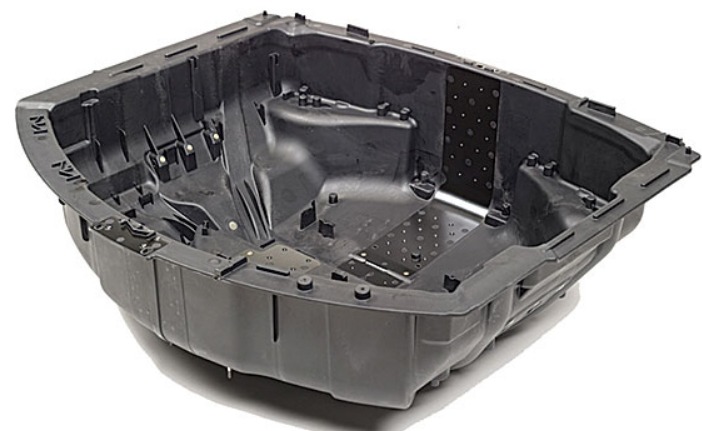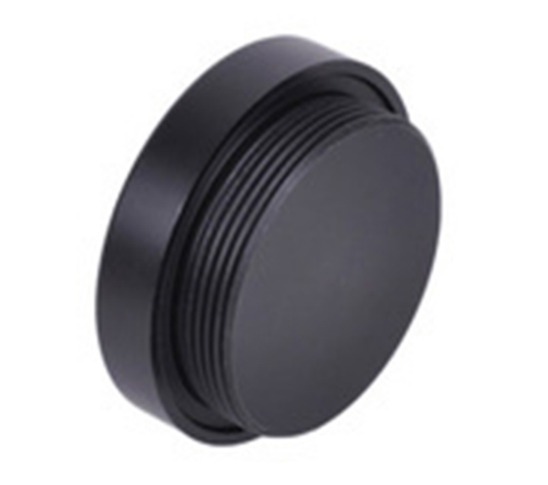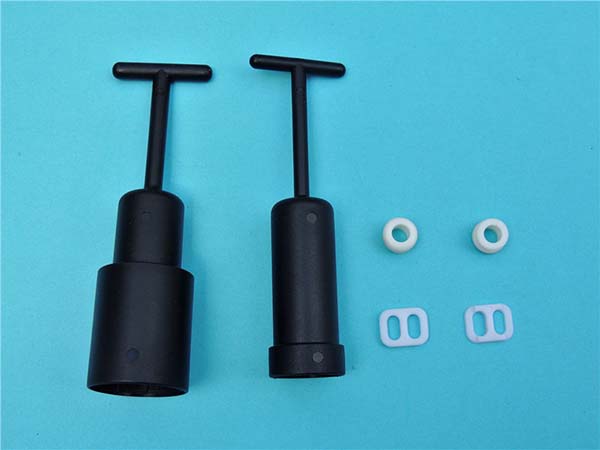
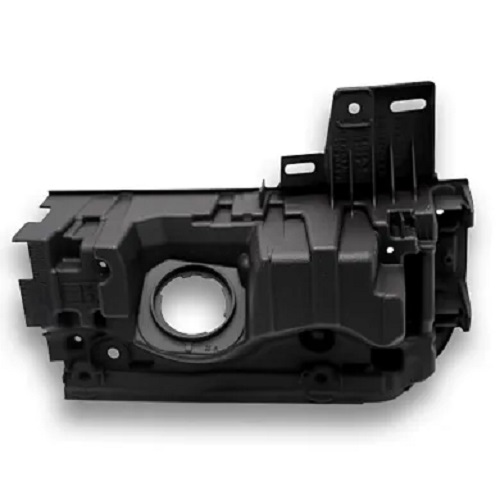
Selecting a Plastic Car Parts Manufacturer is one of the most critical supply chain decisions an automotive OEM or tier supplier can make. This choice impacts not only the quality and cost of components like bumpers, interior panels, and under-hood assemblies but also your brand's reputation, production line continuity, and regulatory compliance. The automotive industry demands more than just molding capability; it requires a partner steeped in rigorous standards, material science, and flawless execution. This guide provides a strategic, step-by-step framework for evaluating potential manufacturers, moving beyond basic RFQ comparisons to assess the deep technical and systemic capabilities that define a truly reliable, long-term partner for your automotive business.
What Defines Reliable Plastic Car Parts Manufacturer?
Reliability in this sector is a multi-faceted trait, defined by consistent on-time delivery of defect-free parts that meet stringent specifications, batch after batch, year after year. A reliable manufacturer demonstrates:
- Process-Centric Mindset: They operate on standardized, documented processes rather than heroics. Their focus is on preventative measures and statistical process control (SPC) to ensure predictability.
- Long-Term Partnership Orientation: They invest in understanding your long-term roadmap and act as an extension of your engineering team, not just a job shop. They are proactive about cost-down initiatives and continuous improvement (Kaizen).
- Financial and Operational Stability: They have a solid track record, modern facilities, and the financial health to invest in new technology and weather market fluctuations. Checking business credit reports and years in operation is prudent.
- Transparent Communication: They provide clear, regular updates, don't hide problems, and have a formal escalation and issue resolution process for when deviations occur.
Which Automotive Certifications Must Be Verified?
Certifications are the non-negotiable foundation. They are audited proof of a systemic quality approach.
- IATF 16949: This is the global mandatory standard for any organization serving the automotive supply chain. It builds upon ISO 9001 with automotive-specific requirements for risk management, product safety, and manufacturing process control. Do not consider a manufacturer without valid IATF 16949 certification that includes plastic injection molding.
- ISO 14001: Environmental management certification, increasingly important for sustainability reporting and responsible sourcing.
- Customer-Specific Certifications: Many large OEMs (e.g., Ford Q1, GM BIQS, Volkswagen Formel Q) have their own supplemental quality awards or requirements. A manufacturer holding these has passed stringent customer audits.
How to Assess Technical Capabilities and Machinery?
The machine park must be capable of precision, repeatability, and integration with automation.
- Press Tonnage and Size Range: Ensure they have the appropriate range (e.g., 200 to 2500 tons) for your part sizes. Ask about clamp force accuracy and injection unit screw technology for consistent shots.
- Automation Integration: Look for evidence of robotic part removal, automated vision inspection, and conveyor systems. For high-volume components like interior trim, automated cells are essential for quality and output.
- Advanced Process Control: Inquire about scientific molding practices. Do they use mold cavity pressure sensors and viscosity control to monitor the process in real-time? This data-driven approach is key to zero-defect manufacturing.
- Secondary Operation Capability: Can they perform in-house ultrasonic welding, vibration welding, heat staking, laser etching, or painting? This vertical integration improves control and reduces logistics complexity.
What Material Expertise Is Critical for Auto Applications?
Automotive plastics face extreme challenges: UV exposure, temperature cycling (-40°C to 120°C+), chemical exposure (fuels, oils), and mechanical stress.
- Material Selection Guidance: A strong partner should guide you beyond the datasheet. They should have experience with:
- Engineering Thermoplastics: PA6/PA66 (nylons) for under-hood components, PBT for connectors.
- Commodity Polymers with Enhancers: PP with talc or long-glass fiber for interior trim and panels, ABS/PC blends for interior finishes.
- Specialty Materials: PPS, PPA for extreme heat, TPVs for seals.
- Regulatory Knowledge: They must understand and ensure compliance with OEM material specifications (e.g., GMW, VW, FORD standards), REACH, RoHS, and IMDS (International Material Data System) reporting requirements for global markets.
How to Evaluate Prototype and Tooling Services?
The development phase sets the trajectory for the entire project.
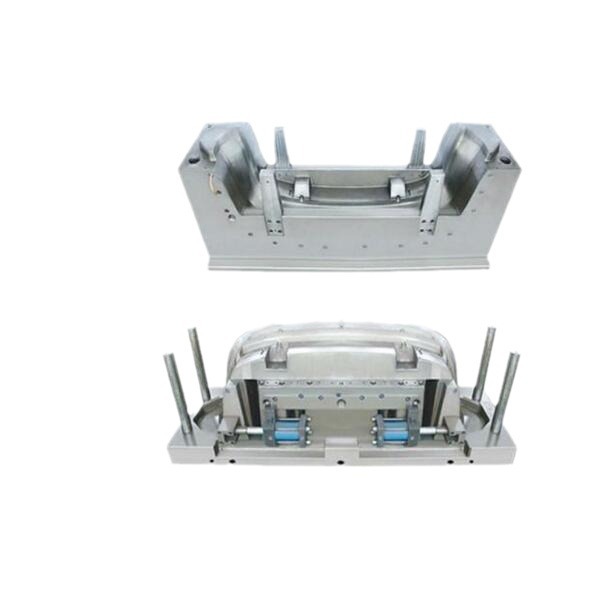
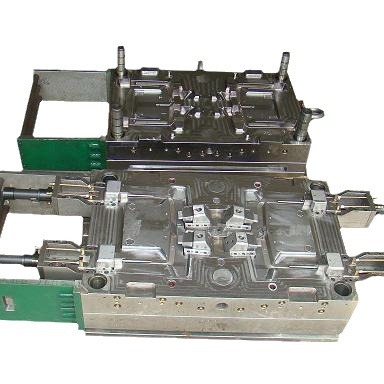
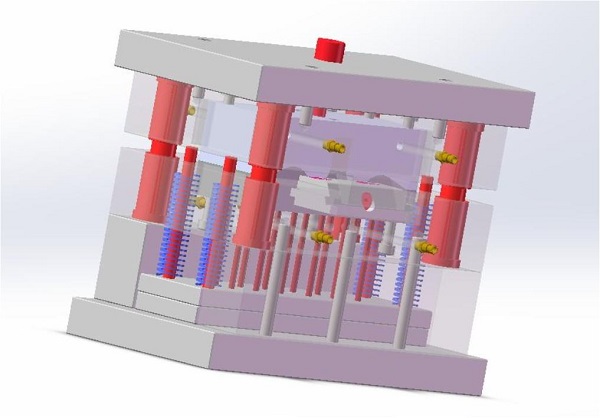
- In-House Mold Design & Build: This is a major advantage. An integrated team where mold designers work directly with process engineers ensures the mold is designed for manufacturability, durability (for 500k+ cycles), and easy maintenance. Ask to see examples of production-grade molds they have built.
- Prototyping Methods: Do they offer rapid prototyping (SLA, SLS) for form/fit tests and low-volume bridge tooling (aluminum molds) for functional testing and pre-production builds? This phased approach de-risks the final steel mold investment.
- Mold Management: Clarify policies on mold ownership, maintenance schedules, repair responsibility, and storage costs. A professional manufacturer will have a clear, documented mold maintenance program.
What Quality Control Systems Ensure Zero Defects?
Inspection must be integrated, not an afterthought.
- Full Dimensional Reporting (FAIR/PPAP): For production launch, they must provide a complete Production Part Approval Process (PPAP) package, including dimensional layout reports, material certifications, and process capability studies (Cp/Cpk > 1.67).
- In-Line and At-Line Inspection: Look for coordinate measuring machines (CMMs), automated optical inspection (AOI) for surface defects, and frequent process audits.
- Traceability: Systems must provide full lot traceability from resin batch to shipped part, a critical requirement for recalls and quality investigations.
How to Compare Lead Times and Production Flexibility?
Automotive schedules are unforgiving.
- Realistic Lead Time Breakdown: Request a detailed schedule that separates prototyping, mold design, mold build, sampling/validation, and production ramp-up. A generic promise is a red flag.
- Capacity and Flexibility: Can they handle volume surges or engineering change orders (ECOs) without derailing other clients? Ask about their overall equipment effectiveness (OEE) and shop floor capacity planning.
- Supply Chain Resilience: Do they have dual sourcing for critical materials? What is their risk mitigation plan for supply chain disruptions?
What Cost Structures Should You Negotiate?
Understand the full life-cycle cost, not just piece price.
- Transparent Quoting: The quote should detail piece price, tooling (NRE) cost, packaging, and payment terms. Be wary of suspiciously low tooling costs, which often indicate lower-quality steel or design.
- Open-Book Costing for Continuous Improvement: The best partnerships involve periodic open-book cost reviews to identify mutual savings through design optimization, material changes, or process improvements.
- Terms for Changes: Negotiate clear terms for ECO pricing, mold repair costs, and minimum order quantities (MOQs).
How to Confirm Supply Chain and Logistics Strength?
The part must arrive on time, every time.
- Logistics Partnerships: Do they have established relationships with freight forwarders for just-in-time (JIT) or sequenced delivery to your assembly line?
- Packaging Expertise: Automotive parts often require custom, returnable packaging (dunnage) to prevent damage. Assess their design and management of this.
- Geographic Footprint: For global programs, a manufacturer with strategic locations or experience in international logistics and customs clearance is invaluable.
Conclusion
Choosing the right Plastic Car Parts Manufacturer is a strategic investment in your product's quality, your brand's integrity, and your operation's stability. It requires a diligent evaluation that looks past the sales pitch to the underlying systems: the mandatory IATF 16949 certification, the in-house technical prowess, the data-driven quality labs, and the culture of relentless process control. By methodically assessing each area outlined in this guide—from material science to logistics—you can select a partner that will not only deliver a component but will also become a pillar of your supply chain, enabling innovation, efficiency, and growth for years to come.
FAQ on Choosing a Plastic Car Parts Manufacturer
What is the single most important question to ask a potential manufacturer?
"Can you walk me through your PPAP process for a recent, complex automotive part?" The answer will reveal their understanding of automotive requirements, their technical documentation capability, and their commitment to rigorous validation.
Is it better to choose a large or a mid-sized manufacturer?
It depends on your volume and needs. Large manufacturers offer broad resources and global footprint. Mid-sized, specialized manufacturers often provide more flexibility, direct access to senior engineers, and can be more agile for niche or evolving programs. The key is cultural and capability fit.
How important is geographic proximity?
For high-frequency JIT deliveries or complex collaboration, proximity is a significant advantage, reducing shipping cost, risk, and communication lag. However, for stable, high-volume parts shipped in containers, a capable distant manufacturer with strong logistics can be equally effective.
What are red flags during a factory audit?
Lack of 5S organization (disorganized shop floor), poorly maintained machines, missing or outdated calibration stickers on measuring equipment, and an inability to show real-time SPC charts for running production jobs.
Can a manufacturer without direct automotive experience be a good choice?
It is a high-risk proposition. Automotive requirements (IATF 16949, PPAP, IMDS, specific material specs) are a unique language. The learning curve is steep and mistakes can be catastrophic for your production line. Prioritize proven automotive experience.
Contact Yigu technology for custom manufacturing.
At Yigu Technology, we are not just molders; we are automotive manufacturing partners built on the principles outlined in this guide. We operate under IATF 16949 certified systems, with deep expertise in engineering-grade materials and a full suite of in-house services from advanced mold design and build to automated assembly and sequencing. Our vertically integrated approach and commitment to scientific process control ensure the predictability, quality, and transparency that automotive excellence demands.
If you are looking for a Plastic Car Parts Manufacturer that combines technical depth with partnership reliability, let's discuss how we can support your program.
Contact Yigu Technology today to schedule a technical consultation and facility audit.