Introduction
Finding a reliable plastic injection mold factory can feel like searching for a needle in a haystack. Hundreds of suppliers claim to offer the best quality. But how do you separate the true experts from the ones who just talk a good game?
The choice matters more than most people realize. Your mold factory doesn’t just build a tool. They shape your product’s quality, determine your production costs, and influence your time to market. A good partner catches design flaws before steel is cut. A poor one delivers late, charges for changes, and produces parts that don’t fit.
This guide walks you through exactly how to evaluate potential partners. We’ll cover the injection molding process, key evaluation factors, red flags to watch for, and the questions you should ask. By the end, you’ll have a clear framework for making a confident decision.
Why Does the Injection Molding Process Matter to Your Choice?
Understanding the Basics Helps You Ask Better Questions
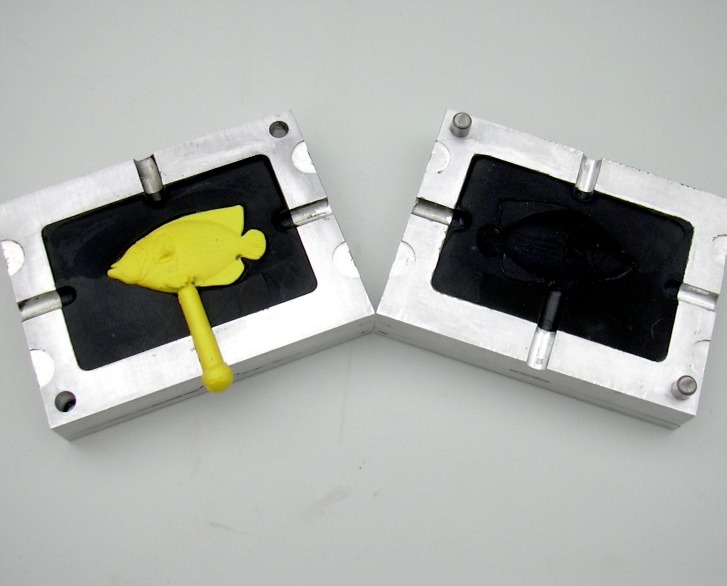
The plastic injection molding process seems simple: melt plastic, inject it into a mold, cool it, and eject the part. But the real complexity lies in the mold itself.
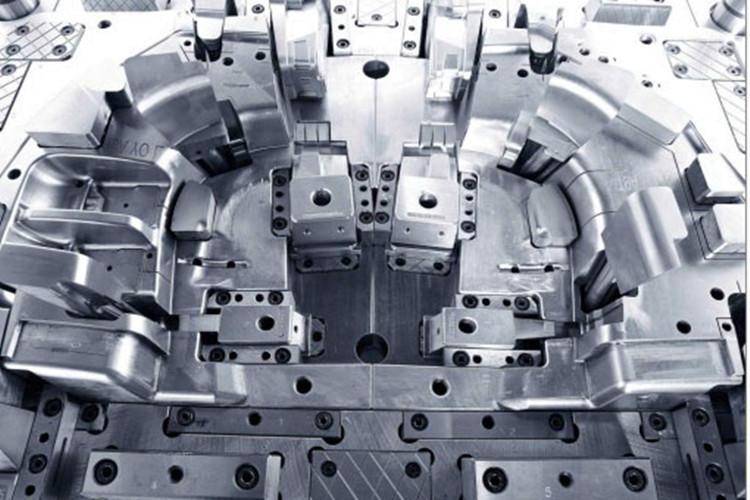
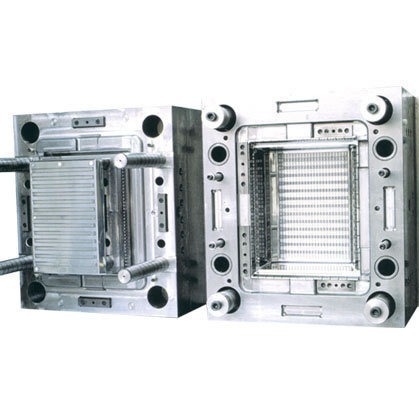
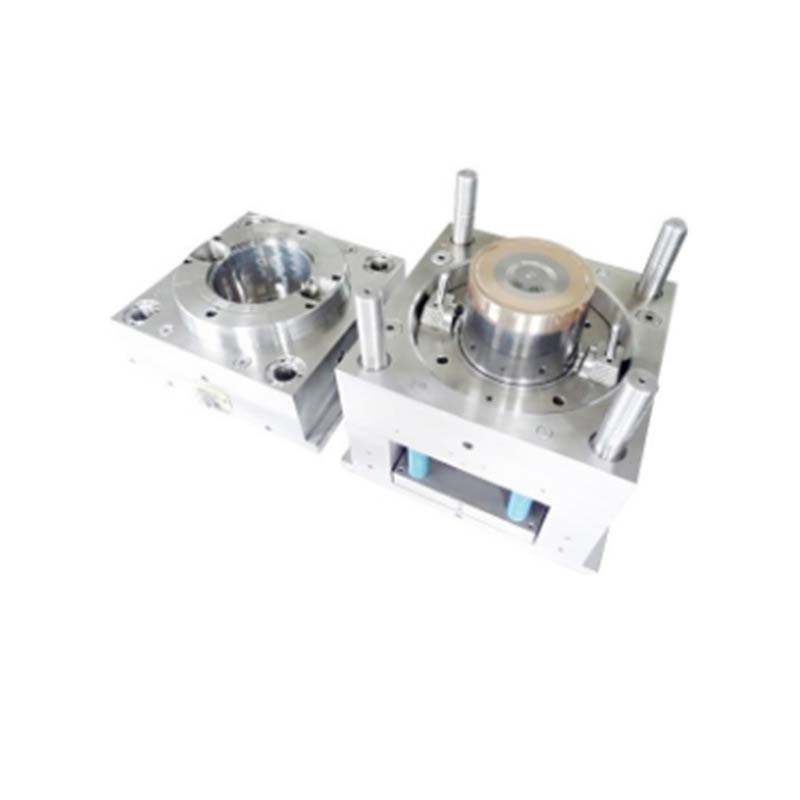
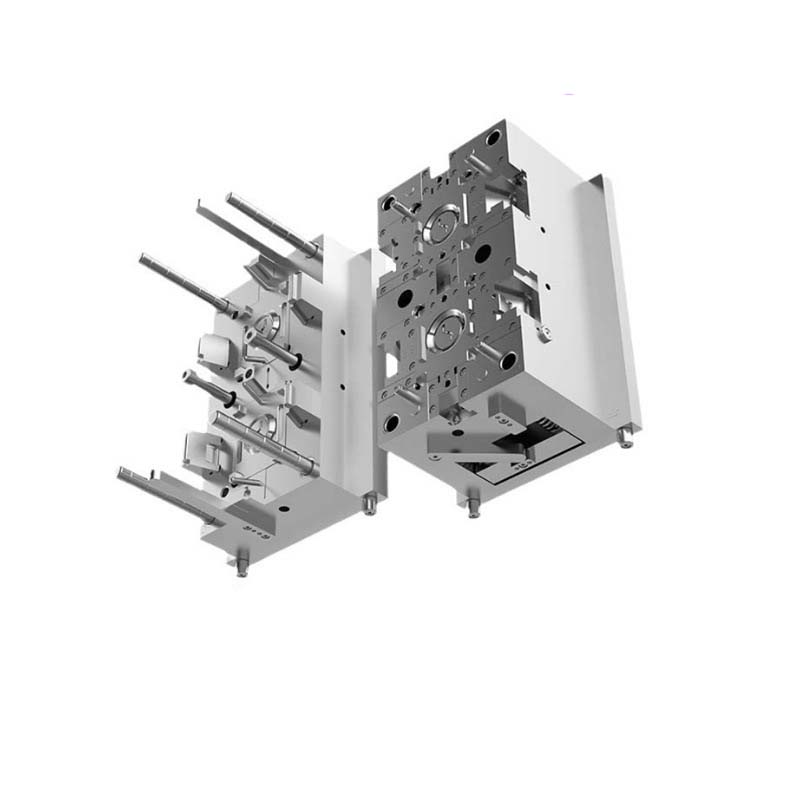
The mold is a high-precision, custom-engineered tool. It can cost anywhere from $5,000 to over $100,000. Its quality determines everything: part consistency, cycle time, and mold life.
A sophisticated factory treats mold design as an integral part of product development. They don’t just take your CAD file and start cutting steel. They perform Design for Manufacturability (DFM) analysis to optimize your part design. They might suggest changes to wall thickness, rib placement, or draft angles that save you significant cost and prevent defects.
Concurrent Engineering Separates Experts from Amateurs
A common mistake is treating part design and mold design as separate phases. The most reliable partners practice concurrent engineering—they work on both simultaneously.
Real example: A medical device company approached a factory with a complex housing design. The factory’s engineers ran mold flow simulation and discovered air traps that would cause defects. They suggested relocating a gate and adding a small vent. The changes eliminated the defect and improved part strength. Had they built the mold without this analysis, fixing the problem would have cost tens of thousands in rework.
What Factors Should You Use to Vet a Factory?
Experience and Expertise Go Beyond Years in Business
A factory’s age can indicate stability, but specific, relevant experience matters more. A factory that has produced thousands of consumer goods molds may not be the right fit for tight-tolerance medical components.
What to look for:
- Relevant portfolio: Have they made parts similar to yours in size, complexity, and industry?
- Case studies: Ask for examples of challenging projects. How did they solve problems?
- Engineering depth: Do their engineers ask insightful questions about your part’s function, load requirements, and end-use environment?
- Certifications: For regulated industries, ISO 13485 (medical) or IATF 16949 (automotive) are non-negotiable.
A factory with 20 years in automotive injection molding will understand the IATF quality system, PPAP documentation, and production part approval processes. That experience translates directly to fewer headaches for you.
Equipment and Technology Reveal True Capability
Modern, well-maintained machinery is the backbone of precision and efficiency. A factory’s equipment list tells you what they can actually deliver.
| Equipment | Why It Matters |
|---|---|
| 5-axis CNC machines | Machines complex mold geometries in a single setup, improving accuracy |
| EDM (Electrical Discharge Machining) | Creates sharp corners, deep ribs, and intricate details that CNC can’t reach |
| Injection molding machines (50–1,000+ tons) | Range of sizes shows flexibility for different part scales |
| Mold flow analysis software | Simulates plastic flow to predict and prevent defects before manufacturing |
| Automation (robotics) | Ensures consistency, reduces cycle times, and prevents contamination |
Key questions:
- What brand of injection machines do you use? (Engel, Arburg, Haitian, etc.)
- Do you have in-house EDM for intricate details?
- Can you provide a DFM report with mold flow simulations?
A factory that uses high-end European machines and invests in mold flow software is signaling they care about precision. A factory with outdated equipment and no simulation capability may struggle with complex parts.
Quality Control Systems Must Be Robust and Verifiable
Quality cannot be inspected into a part—it must be built into the process. A reliable factory has a proactive, multi-stage QC system.
| QC Stage | What It Entails |
|---|---|
| First Article Inspection (FAI) | Comprehensive dimensional and functional check of first parts against CAD model |
| In-process checks | Regular checks during production for critical dimensions, weight, and visual defects |
| Statistical Process Control (SPC) | Real-time monitoring of pressure, temperature, and cycle time to catch trends before parts go out of spec |
| Final inspection with CMM | Coordinate Measuring Machine verification of critical dimensions |
| Documentation | Inspection reports, material certificates shipped with every order |
Real example: A consumer electronics company received parts from a factory with no SPC. After 20,000 parts, dimensions started drifting. They didn’t catch it until final inspection. Two weeks of production were scrap. A factory with SPC would have flagged the drift within the first 100 parts.
Production Capacity and Scaling Must Align with Your Plan
Your needs may evolve. Can the factory grow with you?
Questions to ask:
- What is your production capacity? How many shifts do you run?
- Do you offer end-to-end services (material selection, secondary operations, assembly, packaging)?
- What is your policy on mold storage? Any ongoing costs?
- Can you provide a detailed project schedule with milestones?
A factory that offers in-house secondary operations—painting, ultrasonic welding, assembly—simplifies your supply chain. You have one partner, not five.
Cost and Pricing Structure Need Transparency
The lowest quote is often the most expensive in the long run. A transparent factory provides a detailed breakdown:
- Mold cost (NRE): One-time design and manufacturing cost
- Part price (piece price): Material, cycle time, labor, overhead
- Tooling maintenance: Ongoing costs over the mold’s life
Red flags:
- Vague, lump-sum quotes with no breakdown
- Prices that seem too good to be true
- Unwillingness to explain cost drivers
Ask how changes in material cost or annual volume affect the piece price. A reliable partner explains the variables rather than hiding them.
Reputation and References Provide the Real Story
Online reviews and testimonials are a starting point. Go deeper:
- Request references: Speak directly to a current client with a similar project
- Site visit: If possible, visit the factory. Assess organization, cleanliness, employee skill, and culture
- Virtual tour: If travel isn’t possible, request a detailed video walkthrough
- Check industry platforms: Thomasnet and industry forums often have unfiltered reviews
A factory that hesitates to provide references or a tour is hiding something. A confident partner welcomes the scrutiny.
Lead Times Must Be Realistic, Not Optimistic
A realistic timeline is a sign of an honest partner. Ask for a detailed schedule covering:
- Mold design and DFM
- Mold fabrication
- Sampling and approval
- Production ramp-up
Beware of factories that promise the fastest timeline just to win business. They’re often overcommitted and will deliver late. A reliable factory builds buffer time for inevitable revisions.
What Are the Red Flags to Watch For?
| Red Flag | Why It’s a Problem |
|---|---|
| Vague or incomplete quote | Hiding costs or lacking understanding of your project |
| Unrealistically low price | Likely cutting corners on materials, engineering, or inspections |
| No DFM process | Missing opportunities to optimize design before building the mold |
| Won’t provide references or tour | Probably not proud of their facility or track record |
| No quality documentation | Can’t prove they actually inspect parts |
| Pressure to commit before DFM | Rushing to lock in business without understanding your needs |
Conclusion
Choosing a reliable plastic injection mold factory is a strategic partnership decision. It’s not about finding the lowest price. It’s about finding a partner with the experience, equipment, quality systems, and transparency to deliver consistent results.
Invest time in due diligence upfront. Evaluate their portfolio. Ask about their DFM process. Visit the facility if you can. Speak to references. The time you spend vetting partners pays exponential dividends in saved cost, avoided delays, and product success.
FAQ
What is the most important factor when choosing an injection mold factory?
A proven system for quality control is paramount. Advanced equipment and experience mean little without the processes—like Statistical Process Control and thorough inspection—to ensure every part meets your specifications consistently, from the first to the hundred-thousandth.
How much should a plastic injection mold cost?
Mold costs vary wildly, from a few thousand dollars to over $100,000. Cost depends on part size, complexity, steel type, cavity count, and surface finish. A reliable factory provides a transparent, line-item breakdown explaining each cost driver.
What are the red flags in a mold factory quote?
Major red flags include vague or incomplete breakdowns, unrealistically low prices (a sign of corner-cutting), unwillingness to provide references or a factory tour, and pressure to commit before a detailed DFM review is completed.
What is Design for Manufacturability (DFM) and why is it critical?
DFM is the collaborative process where the factory’s engineers analyze your part design to optimize it for injection molding. This proactive step identifies potential issues—wall thickness problems, sink marks, inadequate draft angles—before the mold is made, saving significant time and cost.
Is it necessary to visit the factory in person?
While not always feasible, a visit (or detailed virtual tour) is highly recommended. It allows you to verify equipment, assess shop floor organization, gauge worker skill, and evaluate company culture—intangible but critical factors for reliability.
Contact Yigu Technology for Custom Manufacturing
At Yigu Technology, we embody the principles in this guide: deep engineering expertise, state-of-the-art equipment, and an unwavering focus on quality control. We specialize in custom plastic injection molding—from complex DFM analysis and precision mold making to high-volume production and assembly.
When you partner with us, you get:
- A detailed DFM report with mold flow simulation
- Transparent, line-item pricing
- In-house mold making and maintenance
- ISO-certified quality systems
- Dedicated project management from concept to delivery
[Contact Yigu Technology today] to discuss your project. Let’s build a partnership based on reliability, precision, and results.