For innovators and businesses seeking to bring a polymer-based product to market, choosing the right manufacturing partner is a pivotal decision. Plastic Molding Manufacturing Inc represents a category of specialized manufacturers dedicated to transforming engineered designs into durable, functional, and cost-effective plastic parts. This guide is designed for product managers, engineers, and entrepreneurs. We will explore the core capabilities of a full-service plastic molding manufacturer, from their technical processes and design support to project management and scalability, providing you with a clear framework to evaluate and engage with a partner capable of delivering your vision from concept to customer.
Who Is Plastic Molding Manufacturing Inc?
A Plastic Molding Manufacturing Inc is not merely a factory with machines; it is an integrated engineering and production partner specializing in the mass production of polymer-based components and products. These companies distinguish themselves by offering end-to-end services, guiding a project from initial design through to delivered parts. They combine deep material science knowledge with advanced process engineering to solve complex manufacturing challenges. The most capable manufacturers serve as true extensions of their clients' teams, often holding crucial certifications like ISO 9001 for quality management and industry-specific standards like IATF 16949 (automotive) or ISO 13485 (medical), which attest to their systematic and reliable approach.
What Polymer-Based Products Do They Specialize In?
The expertise of a plastic molding manufacturer often dictates the types of products they can produce most effectively. Specialization is a key indicator of deep experience.
- Consumer & Durable Goods: This includes high-volume items like tool housings, appliance components, electronic enclosures, and toys. The focus is on cost-effective production, aesthetic appeal (color, texture), and structural integrity.
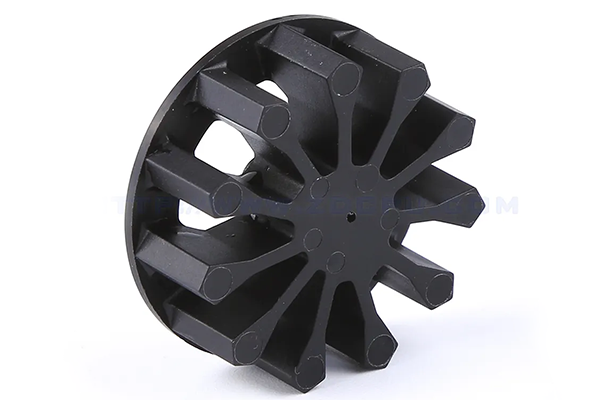
- Technical & Industrial Components: Parts where performance under stress is critical, such as gears, bushings, connectors, and fluid handling components. These require engineering-grade materials like nylon (PA), acetal (POM), or PEEK.
- Medical & Life Sciences Devices: Manufacturers serving this sector specialize in single-use, disposable products (syringes, valves), diagnostic equipment housings, and sometimes implantable components. This demands expertise in biocompatible materials, cleanroom molding, and full regulatory traceability.
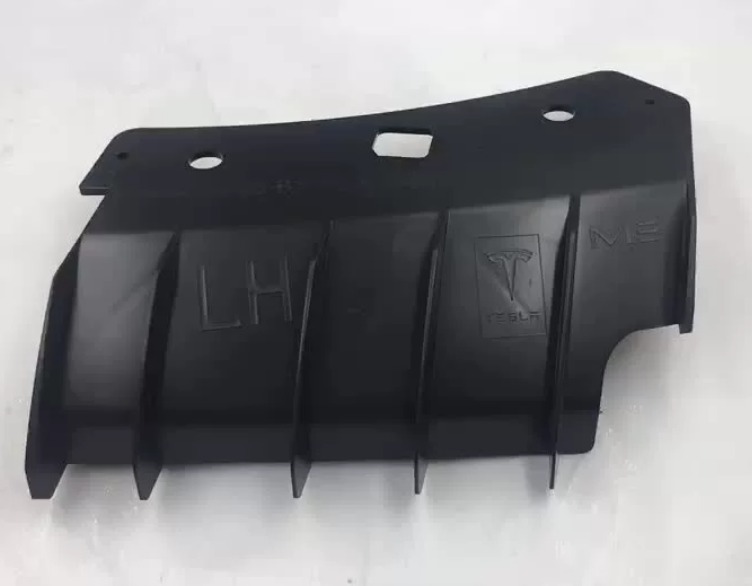
- Automotive Components: From interior trim and lighting assemblies to under-hood components, automotive projects require materials that can withstand temperature extremes, UV exposure, and chemical contact, alongside strict quality and documentation standards.
Which Molding Processes Are Offered?
A versatile manufacturer will master multiple plastic molding processes, selecting the optimal one for your part's geometry, material, and volume. The most common include:
| Process | Description | Best For | Key Advantage |
|---|---|---|---|
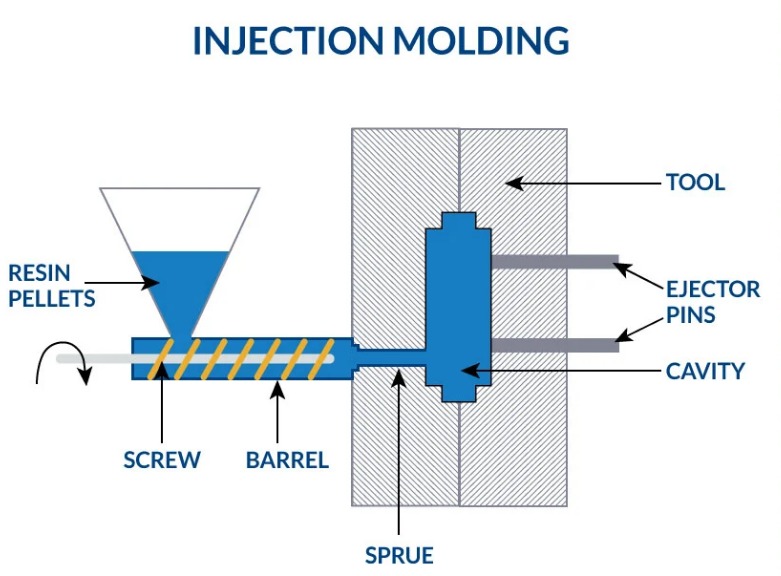
| Injection Molding | Molten plastic is injected under high pressure into a closed metal mold. | High-volume production of complex, net-shape parts with excellent detail. | Unbeatable repeatability, low per-part cost at scale, and design flexibility. |
| Insert & Overmolding | A pre-formed insert (metal, ceramic, or plastic) is placed into a mold, and plastic is injected around or over it. | Creating multi-material parts like soft-grip handles on tools or encapsulated electrical contacts. | Eliminates secondary assembly, improves part integrity, and enhances functionality. |
| Blow Molding | A hollow tube of molten plastic (parison) is inflated inside a mold to form a hollow object. | Hollow parts like bottles, containers, ducting, and fuel tanks. | Efficiently creates seamless, hollow geometries that are difficult to make with other methods. |
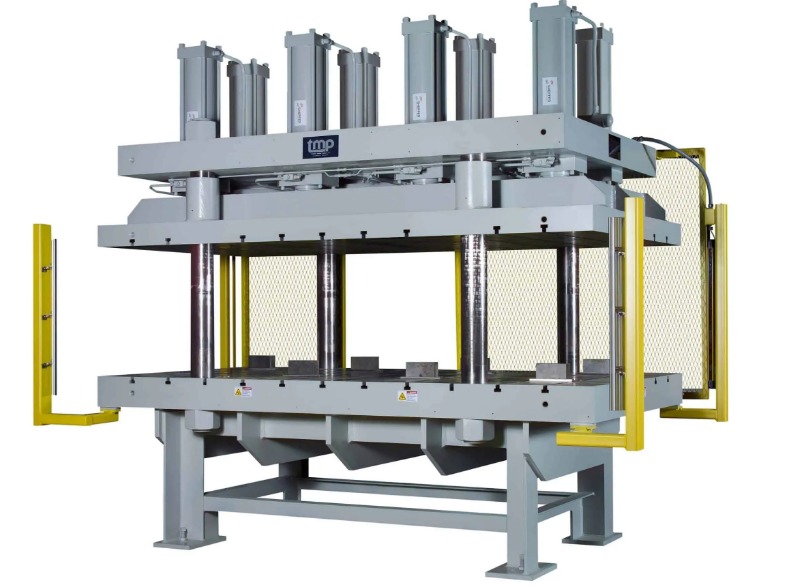
| Structural Foam Molding | A low-pressure process where a foaming agent is mixed with the polymer, creating a part with a solid skin and cellular core. | Large, thick parts requiring high stiffness-to-weight ratios, such as pallets, machine housings, and agricultural equipment. | Uses less material, reduces part weight, and minimizes sink marks on thick sections. |
What Design and Engineering Support Is Provided?
This is where a true partner separates from a simple order-taker. Proactive Design for Manufacturability (DFM) is the most valuable service a manufacturer can provide.
- Early-Stage DFM Analysis: Before any tool is cut, engineers will review your 3D model and drawings to identify potential issues. They provide actionable feedback on:
- Wall Thickness: Recommending uniform wall thickness to prevent defects like sink marks and warpage.
- Draft Angles: Ensuring sufficient draft on all vertical faces for easy part ejection from the mold.
- Ribs and Bosses: Optimizing the design of reinforcing ribs and bosses (for screws) to maintain strength without creating thick sections.
- Material Selection: Advising on the best polymer for your application's mechanical, thermal, and chemical requirements.
- Mold Flow Analysis: Using advanced simulation software to predict how the plastic will fill the mold cavity. This virtual testing can identify and solve potential problems like air traps, weld lines (weak spots), and uneven cooling long before the physical mold is made, saving significant time and cost.
How Are Tooling and Prototyping Managed?
The journey from a validated design to mass production hinges on expert tooling and prototyping strategy.
- Prototyping Pathways: A good manufacturer offers multiple routes:
- CNC Machining: For producing functional prototypes directly from engineering plastics (like ABS, PC). This is ideal for testing fit, form, and function with the real material before investing in an injection mold.
- Rapid Tooling: Creating a low-cost, short-run mold (often from aluminum) to produce 50-500 parts for market testing, clinical trials, or pilot launches.
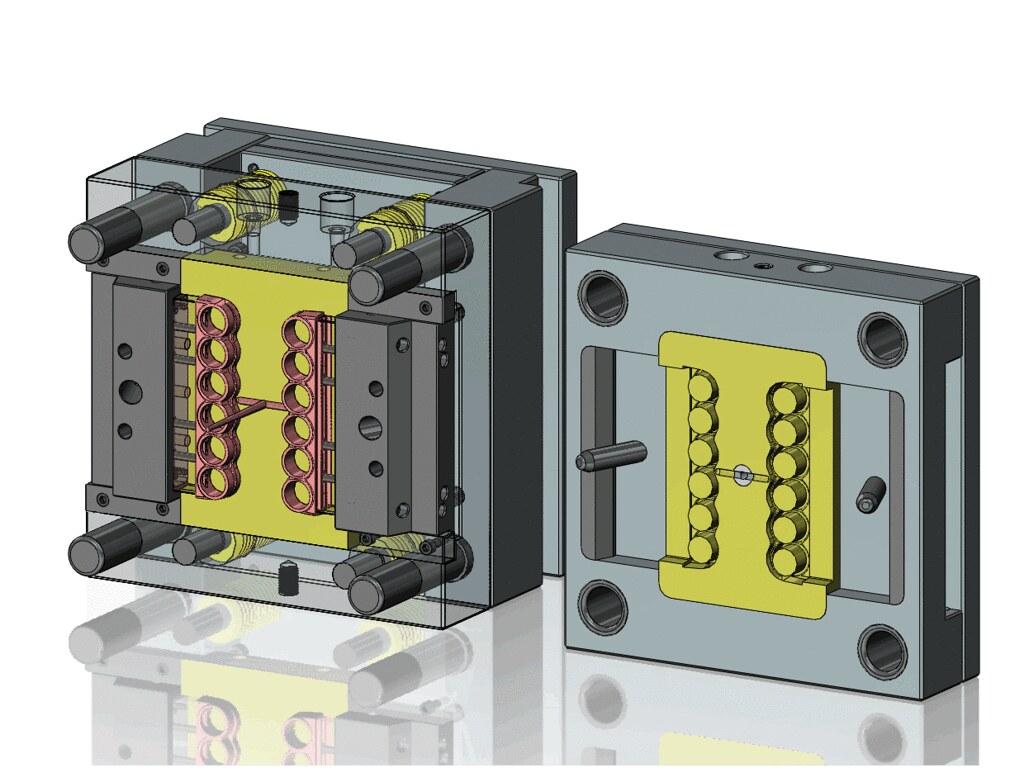
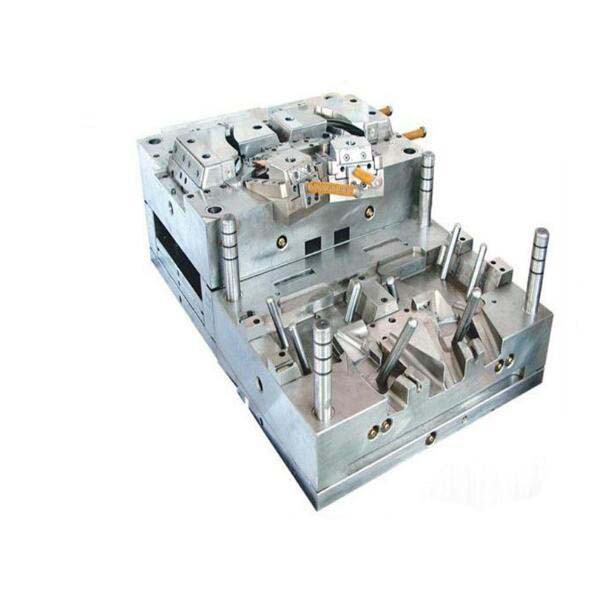
- Production Mold Engineering & Fabrication: For full-scale production, the manufacturer designs and builds a hardened steel mold. Key considerations include:
- Mold Material & Lifespan: Choosing the right steel grade (e.g., P20, H13, Stainless 420) based on the production volume and plastic material.
- Cooling System Design: Engineering an efficient cooling channel layout is critical for part quality and minimizing cycle time.
- Gating & Venting: Strategically placing where the plastic enters the cavity (gate) and where air escapes (vents) to ensure a quality part.
What Are Typical Lead Times and Capacity Limits?
Understanding timelines and scalability is crucial for planning your product launch and supply chain.
- Project Phases & Lead Times:
- Design & Quoting: 1-2 weeks for a comprehensive DFM review and quote.
- Prototyping (CNC): 2-3 weeks for machined prototypes.
- Production Tooling: 8-16 weeks for a multi-cavity steel injection mold, depending on complexity.
- Production Run: Once the mold is validated, manufacturing 10,000 parts may take only 1-2 weeks of press time.
- Capacity & Scalability: A manufacturer's capacity is defined by their press tonnage (size of parts they can mold), number of presses, and level of automation. Discuss their ability to scale from initial low-volume runs to high-volume production, and whether they have experience managing supply chain partnerships for sub-assembly or secondary operations.
Case Studies: Successful Product Launches
Case Study: Next-Gen Wearable Fitness Monitor
A startup developed a sleek, waterproof fitness tracker. The challenge was a complex, two-shot overmolded housing: a rigid PC/ABS frame with a soft TPE wristband section, all within tight dimensional tolerances for sensor alignment. Their chosen plastic molding manufacturer provided critical DFM input, suggesting uniform wall sections and optimal gate locations. They used multi-shot injection molding in a single automated cycle, ensuring perfect bond strength between materials and a high-quality finish. The manufacturer's expertise enabled a successful crowdfunding campaign fulfillment and a smooth transition to retail-scale production.
Case Study: Automotive Fluid Reservoir
An automotive supplier needed a new, lightweight engine coolant reservoir in glass-filled nylon to withstand under-hood temperatures and constant fluid contact. The plastic molding manufacturer conducted mold flow analysis to perfect the filling pattern and cooling, preventing warpage. They employed gas-assist molding technology to create hollow internal ribs, significantly reducing part weight and material use while maintaining structural rigidity. The part met all OEM specifications for performance and durability, contributing to the vehicle's overall efficiency goals.
Conclusion
Partnering with a competent Plastic Molding Manufacturing Inc is a strategic decision that extends far beyond unit cost. The ideal partner acts as a co-engineer, leveraging deep material and process expertise to optimize your design for manufacturability, manage the critical tooling investment, and reliably scale production. By thoroughly evaluating a manufacturer's specialized product experience, technical service offerings, and project management capabilities, you can secure a partnership that not only produces parts but also de-risks your product development and accelerates your path to a successful market launch.
FAQ
What is the typical minimum order quantity (MOQ) for injection molding?
MOQs are primarily driven by the high cost of tooling. For production runs with a steel mold, typical MOQs range from 5,000 to 50,000 pieces to reasonably amortize the tooling cost. For low-volume needs, discuss options like aluminum prototype molds or family molds (one mold producing multiple different parts), which can lower the MOQ to 500-5,000 pieces.
How are color and texture matched on plastic parts?
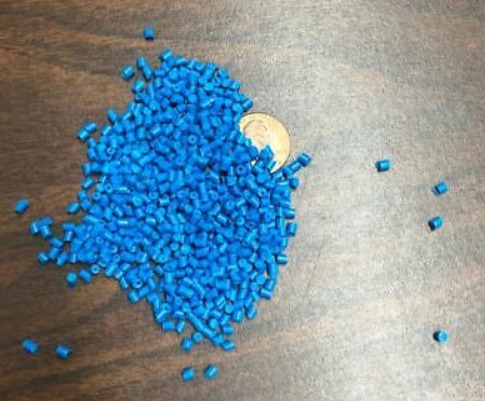
Color matching is done by providing a physical color standard (e.g., a RAL or Pantone chip) or a sample part. The manufacturer will compound a colorant with the base resin to match it. Texture is specified using an SPI/SPE mold finish standard (e.g., a matte finish) or by providing a physical texture sample that can be chemically etched onto the mold steel.
What are the most common causes of defects in injection molded parts, and how are they prevented?
Common defects include sink marks (from thick sections), warpage (uneven cooling), and short shots (incomplete filling). Prevention starts with good DFM (uniform walls, adequate draft). During production, scientific molding practices—establishing and controlling the key parameters of temperature, pressure, and time—ensure the process remains in a "sweet spot" that produces consistent, defect-free parts.
Can a plastic molding manufacturer handle assembly and secondary operations?
Many full-service manufacturers offer vertical integration. This can include operations like ultrasonic welding, heat staking, pad printing, laser etching, and full product assembly. Consolidating these steps with your molder simplifies logistics, improves quality control, and can reduce overall cost.
What happens if a design needs to be changed after the production mold is made?
Design changes after tooling are possible but can be costly and time-consuming. Simple changes (adding a rib, modifying a hole) may be made directly to the existing steel mold via machining or EDM. Major changes might require replacing a section of the mold or fabricating a new core/cavity insert. This underscores the immense value of thorough DFM and prototyping before cutting production tooling.
Contact Yigu Technology for Custom Manufacturing.
Bring your polymer-based product vision to life with Yigu Technology, your dedicated plastic molding manufacturing partner. We offer comprehensive expertise from design for manufacturability (DFM) and prototyping through high-volume injection molding and assembly. Our engineering team will guide you in material selection and process optimization, while our state-of-the-art facility ensures quality and efficiency. Specializing in consumer, industrial, and technical components, we are committed to transforming your concepts into market-ready products. Contact Yigu Technology today to start a conversation about your next project.