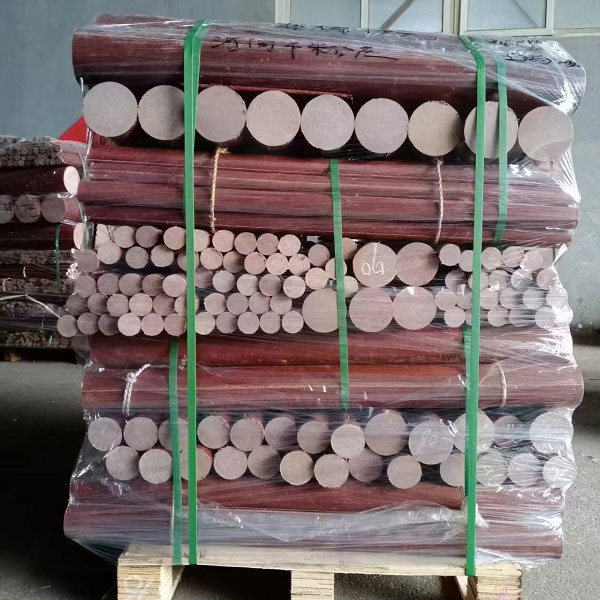
Introduction
Since its invention in 1907, phenolic resin Bakelite has remained a cornerstone material in industrial manufacturing. Its exceptional thermal resistance, electrical insulation, and dimensional stability make it indispensable across industries—from electrical insulators in power transformers to structural components in aerospace systems.
But machining Bakelite presents unique challenges. This thermoset material is brittle, heat-sensitive, and prone to chipping and cracking if handled incorrectly. Traditional machining methods often fall short. Precision CNC machining offers the control, accuracy, and flexibility needed to overcome these challenges and unlock Bakelite’s full potential.
This guide explores the technical nuances of CNC machining Bakelite parts. We will cover material properties, equipment selection, cutting parameters, quality control, and industry applications. Whether you are designing electrical components, aerospace insulators, or industrial parts, you will find practical insights to achieve consistent, high-quality results.
What Makes Bakelite Unique for CNC Machining?
Key Material Properties
Understanding Bakelite’s fundamental properties is essential for developing an effective machining strategy. Each property influences tool selection, cutting parameters, and quality control requirements.
Thermal Resistance is one of Bakelite’s defining characteristics. With a heat deflection temperature typically ranging from 150–180°C, it maintains structural integrity in high-temperature environments. In power transformers, Bakelite insulators withstand the heat generated during operation without deforming.
However, this same property creates machining challenges. Heat generated during cutting can cause thermal stress, leading to cracking if not properly managed. Cutting parameters must be carefully controlled to limit heat buildup.
Brittleness is perhaps the most significant machining challenge. Bakelite has low fracture toughness—typically 1–2 MPa·m½. This makes it highly susceptible to chipping and cracking during cutting operations. When drilling a hole, a sudden change in cutting force or tool vibration can cause material around the hole to chip.
Overcoming brittleness requires precise toolpaths, low-vibration spindles, and sharp cutting tools. Coolant helps dissipate heat and reduce stress on the material.
Electrical Insulation is why Bakelite is widely used in electrical and electronics applications. In switchgear, printed circuit boards, and connectors, its insulating properties are critical. But surface finish and dimensional accuracy directly impact electrical performance. A rough surface may increase arcing risk. Dimensional inaccuracies can cause poor contact in connectors. For high-voltage applications, achieving smooth finishes and tight tolerances is essential.
| Property | Value Range | Machining Implications |
|---|---|---|
| Thermal Resistance | 150–180°C heat deflection | Control cutting heat to prevent thermal stress cracking |
| Brittleness | 1–2 MPa·m½ fracture toughness | Use precise toolpaths, low-vibration spindles, sharp tools |
| Electrical Insulation | High | Smooth surface finish and tight tolerances required |
Material Preparation and Handling
Proper preparation prevents many machining problems before cutting begins.
Moisture Control is critical. Bakelite is hygroscopic—it absorbs moisture from the environment. Absorbed moisture creates internal stresses that can cause cracking during machining. Store Bakelite at relative humidity below 50%. If material has been exposed to high humidity, dry it in an oven at 50–60°C before machining.
Annealing benefits thick-section parts—those over 10 mm thickness. Pre-heating to 80–100°C for 2 hours reduces internal stresses introduced during material manufacturing. This improves cutting stability and reduces cracking risk. Evaluate annealing based on part thickness and material condition.
What Equipment Works Best for Bakelite Machining?
CNC Machine Types
Selecting the right CNC machine depends on part complexity and precision requirements.
3-Axis Machining Centers are suitable for flat, two-dimensional Bakelite parts. They perform milling, drilling, and tapping on X, Y, and Z axes. For circuit board insulators and basic electrical components, 3-axis machines provide a cost-effective solution with positional accuracy of ±0.05 mm. Their simpler operation makes them ideal for small to medium production runs.
5-Axis Machines excel at complex geometries. By adding two rotational axes to the three linear axes, they enable multi-angle cutting in a single setup. For aerospace connectors and high-precision mechanical parts, 5-axis machines achieve accuracy of ±0.01 mm. Eliminating multiple setups reduces error and improves consistency.
Micro-CNC Systems are designed for miniaturized Bakelite parts—typically ≤10 mm in size. They achieve feature sizes as small as 50 μm. In medical devices and micro-sensors, these systems create intricate features with the precision required for proper function.
| Machine Type | Suitable For | Typical Accuracy | Ideal Applications |
|---|---|---|---|
| 3-Axis Machining Centers | Flat, 2D parts | ±0.05 mm | Circuit board insulators, basic electrical components |
| 5-Axis Machines | Complex geometries | ±0.01 mm | Aerospace connectors, high-precision mechanical parts |
| Micro-CNC Systems | Miniaturized parts (≤10 mm) | 50 μm features | Medical device components, micro-sensors |
Tooling Selection
Tool choice significantly affects machining quality and efficiency.
Diamond-coated end mills are highly recommended for Bakelite. Their exceptional wear resistance and sharp cutting edges reduce chipping and burr formation. For high-volume production, the extended tool life justifies the higher initial cost.
Carbide tools are a viable alternative for lower-volume applications. Sharp, polished carbide with high-positive rake angles cuts cleanly. However, tool life is shorter than diamond-coated options.
Tool geometry matters. Use tools with 30° helix angles to create efficient cutting action. Fine-pitch end mills with 0.5 mm flute spacing reduce cutting forces and chip size, resulting in smoother surfaces.
How Do You Optimize Cutting Parameters?
Speed and Feed Recommendations
Proper cutting parameters balance productivity against quality.
Cutting speed for Bakelite typically ranges from 200–400 m/min with carbide tools. Diamond-coated tools can run at the higher end of this range. Lower speeds reduce heat generation but increase cycle time.
Feed rate should be adjusted based on operation. For roughing, 0.05–0.15 mm/rev is typical. For finishing, reduce to 0.02–0.05 mm/rev to achieve better surface finish. Excessive feed rates increase cutting forces and chipping risk.
Depth of cut is critical. For Bakelite, limit depth of cut to 1 mm per pass. Deeper cuts generate excessive heat and increase stress on the brittle material. Multiple shallow passes produce better results than single deep cuts.
Coolant Strategy
Heat management is essential for Bakelite machining. The material’s low thermal conductivity means heat concentrates at the cutting zone.
Mist coolant—50% water, 50% alcohol—is highly effective. The water evaporates, absorbing heat. Alcohol prevents rust and provides lubrication. Direct the coolant stream precisely to the cutting zone.
Flood coolant can also be used but may create more cleanup. Ensure coolant concentration and cleanliness are maintained. Contaminated coolant reduces effectiveness and can stain the material.
How Do You Ensure Quality and Precision?
Dimensional Accuracy
Precision CNC machining achieves tight tolerances on Bakelite parts. Linear dimensions can be held to ±0.02 mm. Cylindrical features like bushing bores achieve concentricity of ±0.01 mm.
These tolerances are essential for components that must fit precisely within assemblies. In electrical switchgear, tight tolerances ensure proper insulation and mechanical stability. In rotating applications, high concentricity reduces friction and wear.
Surface Finish Requirements
Surface finish affects both appearance and function. For Bakelite electrical components, smooth surfaces reduce arcing risk.
Using fine-pitch end mills with 0.5 mm flute spacing achieves surface roughness of Ra 0.8–1.6 μm. For applications requiring even smoother finishes, post-machining deburring with 200-grit abrasive brushes further polishes the surface.
Common Defects and Solutions
Even with precision equipment, defects can occur. Understanding root causes enables effective prevention.
| Defect | Root Cause | Solution |
|---|---|---|
| Edge Chipping | Excessive feed rate or dull tools | Reduce feed rate by 20%; replace tools after 2 hours of use |
| Thermal Cracking | Insufficient coolant or deep cuts | Apply mist coolant; limit depth of cut to 1 mm |
| Burr Formation | Inadequate tool sharpness | Use diamond-coated tools with 30° helix angle |
Edge chipping is caused by excessive cutting force or dull tools. Reducing feed rate by 20% significantly decreases cutting force. Replacing tools after 2 hours of use ensures sharp cutting edges.
Thermal cracking results from heat buildup. Mist coolant dissipates heat effectively. Limiting depth of cut to 1 mm reduces heat generated per pass.
Burr formation occurs when tools are not sharp enough. Diamond-coated tools maintain sharpness longer. The 30° helix angle promotes efficient cutting, reducing burrs.
Inspection and Compliance
Quality verification ensures parts meet specifications.
Coordinate Measuring Machines (CMMs) verify critical dimensions. A CMM like the Zeiss CONTURA G2 offers accuracy of ±0.002 mm—far beyond typical Bakelite tolerances. This precision is essential for measuring electrical clearances, which often require minimum 1 mm spacing between conductive surfaces.
Visual inspection with 10x magnification checks for micro-cracks that could compromise electrical insulation. It also verifies compliance with flammability standards like UL 94 V-0. Bakelite parts used in electrical applications often require this highest flammability rating.
Where Are Precision Bakelite Parts Used?
Electrical and Electronics
The electrical and electronics industry is the largest user of precision-machined Bakelite parts.
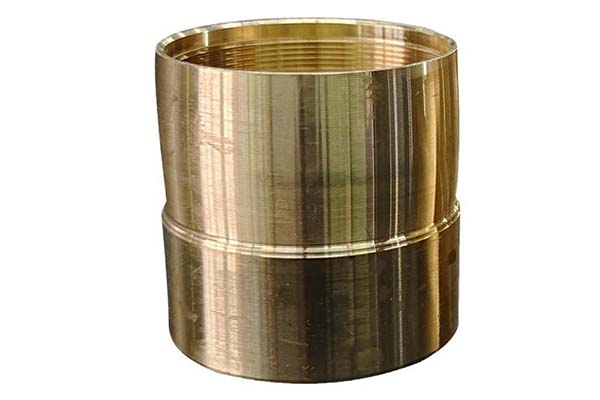
Insulator bushes in high-power transformers ensure safe voltage isolation. Precision machining produces bushes with wall thickness as thin as 0.1 mm and inner diameter tolerance of ±0.01 mm. In a 500 kV transformer, these precise dimensions prevent electrical leakage and ensure efficient operation.
Switchgear components often require complex geometries. 5-axis CNC machining produces features like 30° tapered holes that improve switching performance. These components must meet international standards such as IEC 62271-100 for arc resistance. Precision-machined Bakelite withstands high-energy arcs, protecting equipment and personnel.
Aerospace and Defense
Aerospace applications demand materials that withstand extreme conditions while maintaining precise dimensions.
Curved insulators for aerospace connectors are machined on 5-axis machines to achieve complex shapes with ±0.01 mm accuracy. In high-speed aircraft communication systems, these insulators ensure reliable signal transmission.
Structural components for avionics housings require dimensional stability across temperature ranges. Bakelite’s low thermal expansion combined with precision machining creates components that maintain alignment in fluctuating environments.
Industrial Equipment
Industrial equipment operates in harsh conditions and demands durable, reliable components.
Motor brush holders require slot dimensions with width tolerance of ±0.03 mm. This precision ensures smooth brush movement, reducing electrical arcing. In large industrial motors, reduced arcing extends brush life and improves motor reliability.
Valve insulators in industrial pipelines isolate valves from conductive fluids. Machined with 0.2 mm-thick flanges, they withstand pressures up to 100 bar. Carbide tools achieve burr-free edges essential for proper sealing. In high-pressure pipeline systems, these insulators prevent electrical conduction and ensure safe operation.
Medical Devices
Medical applications require miniaturization, precision, and biocompatibility.
Micro-sensor housings for implantable devices are machined on micro-CNC systems. Features as small as 50 μm create channels, holes, and mounting surfaces that enable accurate sensor function. In glucose monitoring devices, precision-machined Bakelite housings protect sensitive electronics while maintaining dimensional stability.
Diagnostic equipment components benefit from Bakelite’s electrical insulation and dimensional stability. Precision machining ensures consistent performance across production runs.
Conclusion
Precision CNC machining of phenolic resin Bakelite requires a specialized approach that respects the material’s unique properties. Thermal resistance demands heat management. Brittleness requires careful control of cutting forces. Electrical insulation properties demand smooth surfaces and tight tolerances.
Success comes from integrating material knowledge with appropriate equipment and processes. Diamond-coated tools with proper geometry cut cleanly and resist wear. Mist coolant manages heat without over-wetting. Optimized cutting parameters balance productivity against quality. Rigorous inspection—CMM verification and visual checks—ensures parts meet specifications.
The applications span critical industries. Electrical insulators in power transformers rely on precision machining for safety and reliability. Aerospace connectors demand complex geometries with micron-level accuracy. Industrial equipment components withstand harsh conditions while maintaining function. Medical devices require miniaturization and precision that only advanced CNC machining delivers.
For manufacturers willing to invest in the right equipment, tooling, and processes, Bakelite offers exceptional value. Its combination of thermal resistance, electrical insulation, and dimensional stability, when unlocked through precision machining, delivers components that perform reliably across decades of service.
FAQ
What are the best cutting tools for CNC machining Bakelite?
Diamond-coated end mills are highly recommended for Bakelite machining. Their excellent wear resistance and sharp cutting edges reduce chipping and burr formation. Carbide tools can also be used, especially for lower-volume applications. Diamond-coated tools generally offer better surface finish and longer tool life when machining brittle Bakelite.
How can I prevent thermal cracking during Bakelite machining?
Apply mist coolant—50% water, 50% alcohol—to dissipate heat effectively. Limit depth of cut to 1 mm per pass to reduce heat generation. Optimize cutting speed to avoid excessive heat buildup. Monitor workpiece temperature during machining to detect potential thermal issues early.
What tolerances can be achieved when machining Bakelite?
Linear dimensions can be held to ±0.02 mm. Cylindrical features like bushing bores achieve concentricity of ±0.01 mm. These tight tolerances are essential for proper fit and function in electrical, aerospace, and industrial applications.
How do I store Bakelite to prevent moisture-related problems?
Store Bakelite at relative humidity below 50% to prevent moisture absorption. If material has been exposed to high humidity, dry it in an oven at 50–60°C before machining. Proper storage prevents internal stresses that can cause cracking during cutting.
What surface finish can I expect when machining Bakelite?
Using fine-pitch end mills with 0.5 mm flute spacing achieves surface roughness of Ra 0.8–1.6 μm. For applications requiring smoother finishes, post-machining deburring with 200-grit abrasive brushes further polishes the surface. Smooth finishes improve electrical insulation by reducing arcing risk.
Contact Yigu Technology for Custom Manufacturing
Need precision-machined Bakelite components for your next project? Yigu Technology specializes in CNC machining of phenolic resin parts for electrical, aerospace, industrial, and medical applications. Our engineers understand Bakelite’s unique properties and optimize every aspect of the machining process to deliver consistent, high-quality results. Contact us today to discuss your requirements.