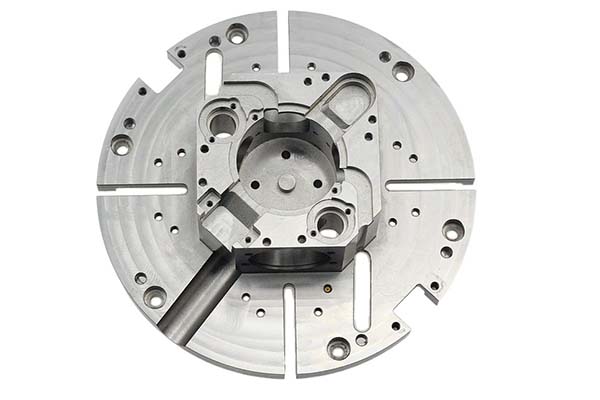
Introduction
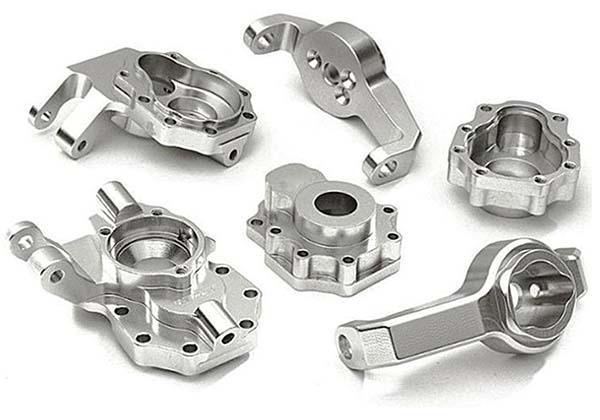
In the vast and ever-evolving landscape of engineering, precision machined auto-components stand as the unsung heroes that underpin the functionality, performance, and safety of modern vehicles. These components are the building blocks upon which the entire automotive industry is constructed—and their importance extends far beyond, into aerospace, energy, and industrial sectors. Precision machined auto-components are designed and manufactured to exacting standards, with tolerances often measured in the micrometer range. This level of precision ensures each component fits perfectly within complex systems, minimizing wear and tear, reducing energy losses, and enhancing overall efficiency. For example, in an engine, precision-machined pistons, crankshafts, and camshafts work in harmony to convert fuel into mechanical energy. The slightest deviation in their dimensions can lead to engine inefficiencies, increased emissions, and potentially catastrophic failures.
What Defines Precision Machined Auto-Components?
Characteristics
| Characteristic | Description | Example | Impact |
|---|---|---|---|
| High precision | Tolerances as low as a few micrometers | Piston rings: ±0.002 mm | Perfect fit within engine cylinder; minimizes gas leakage; improves engine efficiency—studies show 5–8% increase in fuel efficiency with tighter tolerances |
| Complex geometric shapes | Intricate designs engineered for functionality | Camshaft lobes—precisely control valve opening/closing; affects engine performance, power output | Optimized functionality |
| Superior surface finish | Smooth surfaces reduce friction and wear | Crankshafts: surface roughness <0.8 μm Ra | Reduces energy lost to friction; better fuel economy; longer component lifespan |
What Manufacturing Processes Create These Components?
Several advanced manufacturing processes are employed to create precision machined auto-components.
| Process | Precision Achievable (mm) | Surface Roughness (μm Ra) | Ideal for Materials | Advantages |
|---|---|---|---|---|
| CNC Machining | ±0.01 – ±0.001 | 0.8 – 0.2 | Metals (steel, aluminum), plastics | High repeatability; complex shapes; productivity increased 30–40% vs. traditional methods |
| Grinding | ±0.001 – ±0.0001 | 0.2 – 0.05 | Hard metals, ceramics | Cylindrical grinding for axles; surface grinding for flat surfaces; brake discs—ensures flat, smooth surface for proper braking |
| EDM (Electrical Discharge Machining) | ±0.05 – ±0.005 | 1.6 – 0.4 | Hardened steels, carbides, superalloys | Intricate cavities and cores; injection molds for plastic automotive parts; minimum feature sizes down to 0.05 mm; slower process—ideal for small-batch production or prototypes |
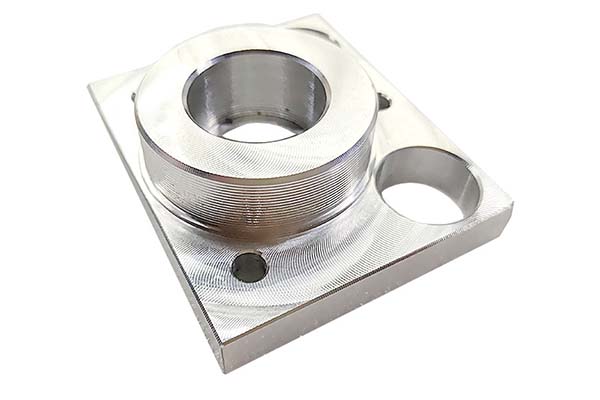
CNC Machining: Pre-programmed computer software controls factory tools and machinery—milling, turning, drilling. Engine blocks: CNC milling creates complex internal passages for coolant and oil with high precision.
Grinding: Abrasive wheel removes small amounts of material—very smooth surface finish, high dimensional accuracy. Achieves tolerances as tight as ±0.0001 mm and surface roughness 0.05 μm Ra .
EDM: Electrical discharges (sparks) erode material—useful for hard or brittle materials, complex shapes. Creates intricate cavities and cores difficult to machine by other methods.
Where Are Precision Machined Auto-Components Applied?
Automotive Industry
| Component | Precision Requirement | Impact |
|---|---|---|
| Engine blocks | High-precision ensures proper alignment of pistons, crankshafts, camshafts | Engines with precision-machined blocks: 15–20% longer lifespan; tight tolerances reduce friction and wear |
| Transmission gears | Precision determines smoothness of gear shifting; efficiency of power transmission | Manual: precise meshing essential for seamless gear changes—poor precision leads to gear grinding, reduced fuel efficiency, increased mechanical stress; Automatic: precision-machined planetary gears, clutch components crucial for automatic shifting; vehicles with precise transmission components: 10–15% improvement in fuel economy due to reduced power losses during gear changes |
Aerospace Engineering
| Component | Precision Requirement | Impact |
|---|---|---|
| Turbine blades | Exact aerodynamic shape required for efficient energy conversion | Deviation of few micrometers → significant decrease in engine efficiency; 1% improvement in turbine blade efficiency → 3–5% reduction in aircraft fuel consumption |
| Structural components (wing spars, fuselage frames) | Lightweight yet strong; tight tolerances ensure perfect fit | Precision-machined aluminum and titanium alloys; reduces need for excessive fasteners; enhances structural integrity; aircraft with precisely-machined structural components: 20–30% lower risk of structural failure |
Energy Sector
| Component | Application | Precision Impact |
|---|---|---|
| Steam turbine blades, rotors | Power plants | Precise shape and balance ensure smooth rotation; efficient steam-to-mechanical-energy conversion; 1% improvement in turbine efficiency in 1000 MW plant → additional 10 MW power output—thousands of households |
| Wind turbine gearboxes, generator components | Wind turbines | Precision-machined gears enable efficient mechanical energy transfer from blades to generator; high-precision gearboxes: 15–20% lower failure rate; 10–15% increase in energy production |
| Valves | Oil and gas industry | Precision-made valves ensure accurate control of fluid flow; reduces leak risk; improves efficiency of oil and gas production processes |
What Is Yigu Technology’s Perspective?
At Yigu Technology , we specialize in precision machined components for automotive, aerospace, and energy applications. Our capabilities include:
- CNC machining: ±0.001 mm tolerances; complex internal passages for engine blocks; productivity increased 30–40% vs. traditional methods.
- Grinding: ±0.0001 mm tolerances; 0.05 μm Ra surface finish for brake discs, crankshafts.
- EDM: Minimum feature sizes down to 0.05 mm; intricate cavities for injection molds.
- Applications: Engine blocks (15–20% longer lifespan); transmission gears (10–15% fuel economy improvement); turbine blades (3–5% fuel consumption reduction per 1% efficiency gain); wind turbine gearboxes (15–20% lower failure rate, 10–15% increase in energy production).
We provide DFM feedback to optimize your designs for manufacturability—delivering components that drive engineering excellence across industries.
Conclusion
Precision machined auto-components are the linchpin of modern engineering across multiple industries. Their high-precision manufacturing processes—CNC machining (±0.001 mm tolerances, productivity increased 30–40%), grinding (±0.0001 mm tolerances, 0.05 μm Ra surface finish), and EDM (minimum feature sizes 0.05 mm)—enable them to meet stringent requirements of automotive, aerospace, and energy applications.
Automotive: Engine blocks with precision machining: 15–20% longer lifespan; transmission gears: 10–15% fuel economy improvement.
Aerospace: Turbine blades: 1% efficiency improvement → 3–5% fuel consumption reduction; structural components: 20–30% lower risk of structural failure.
Energy: Steam turbines: 1% efficiency improvement in 1000 MW plant → additional 10 MW power output; wind turbine gearboxes: 15–20% lower failure rate, 10–15% increase in energy production.
From vehicle performance and safety to aircraft efficiency and power generation reliability, precision machined components drive engineering forward—meeting the world’s growing demands for performance, efficiency, and sustainability.
FAQs
What is the typical tolerance range for precision machined auto-components?
Typical tolerance ranges can be as low as a few micrometers. High-performance engines: piston rings ±0.002 mm. Grinding processes: tolerances as tight as ±0.0001 mm .
How does precision machining contribute to fuel efficiency in vehicles?
Precision-machined components reduce friction and wear between moving parts. Engines: precise piston rings and cylinder bores minimize gas leakage. Transmissions: accurate gear meshing reduces power losses. Studies show 5–15% improvement in fuel efficiency .
What are the main manufacturing processes for precision machined auto-components?
Main processes include CNC machining (high repeatability, complex shapes), grinding (smooth surface finish, high dimensional accuracy—±0.0001 mm), and Electrical Discharge Machining (EDM) (hard materials, intricate shapes—minimum feature sizes 0.05 mm).
Contact Yigu Technology for Custom Manufacturing
At Yigu Technology , we combine precision manufacturing with deep engineering expertise to deliver auto-components that drive performance. Our CNC machining achieves ±0.001 mm tolerances; grinding achieves ±0.0001 mm tolerances, 0.05 μm Ra surface finish; EDM creates minimum feature sizes down to 0.05 mm. From engine blocks (15–20% longer lifespan) to turbine blades (3–5% fuel savings) and wind turbine gearboxes (15–20% lower failure rate), we provide DFM feedback to optimize your designs for manufacturability.
Ready to drive engineering excellence with precision machined components? Contact Yigu Technology today for a free consultation and quote. Let us help you achieve the performance, efficiency, and reliability your industry demands.