Introduction
Every machine that moves has turning parts. The shaft in your car’s engine. The implant in a patient’s hip. The spindle in a jet turbine. These components work silently, often unnoticed, yet their precision determines whether systems function reliably or fail catastrophically.
Turning parts are produced through the turning process—rotating a workpiece on a lathe while a cutting tool shapes it. This fundamental machining operation creates cylindrical components with geometries ranging from simple shafts to complex contours. The precision achieved is measured in micrometers, sometimes nanometers.
This guide explores turning parts: what they are, how they are made, why precision matters, and how they compare to other components. By the end, you will understand why these parts are the unsung heroes of precision engineering.
What Exactly Is a Turning Part?
Definition and Basic Characteristics
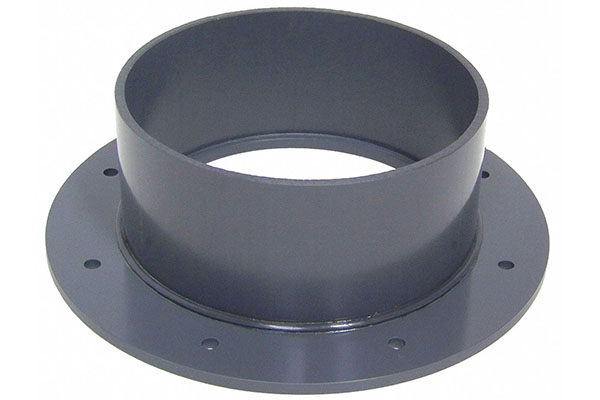
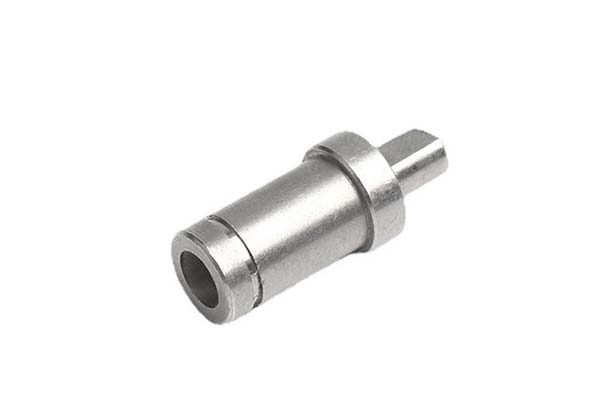
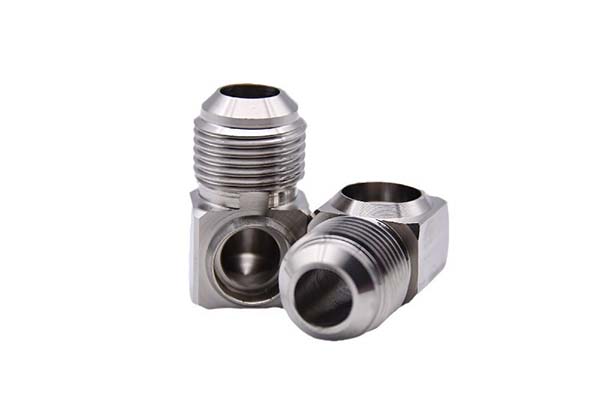
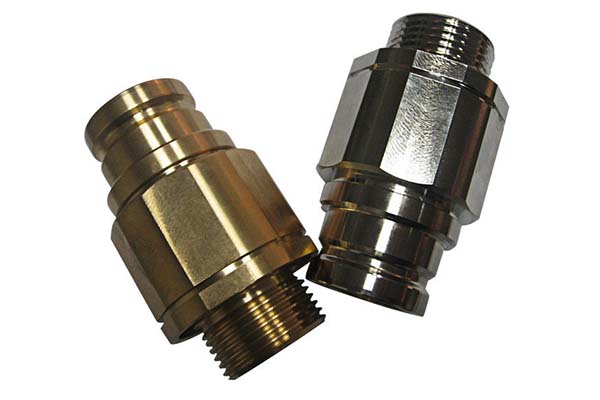
A turning part is a component produced through the turning process. The workpiece rotates on a lathe while a cutting tool removes material, shaping it into the desired form. The result is a part with rotational symmetry—cylindrical or conical shapes with features like diameters, grooves, threads, and contours.
Common examples:
- Automotive – Engine shafts, crankshafts, camshafts
- Aerospace – Turbine blade root sections, hydraulic components
- Medical – Orthopedic implant stems, surgical instrument handles
- Electronics – Miniature motor shafts for smartphones and cameras
Dimensions and Materials
Turning parts vary dramatically in size:
| Scale | Diameter | Examples |
|---|---|---|
| Small | A few millimeters | Shafts in miniature motors, electronic device components |
| Medium | Millimeters to centimeters | Automotive engine parts, medical implants |
| Large | Several meters | Industrial machinery main shafts, turbine rotors |
Materials are equally diverse:
| Material | Properties | Applications |
|---|---|---|
| Steel | High strength, durability | Industrial machinery, automotive |
| Aluminum | Lightweight, good machinability | Bicycle components, aerospace |
| Titanium | High strength-to-weight, corrosion resistance | Medical implants, aerospace |
| Plastics | Low cost, electrical insulation | Electronics, consumer products |
| Composites | Tailored properties | Specialized applications |
How Are Turning Parts Manufactured?
Raw Material Selection
The journey begins with material selection. The choice depends on the application:
- Medical devices – Biocompatible titanium alloys for implants
- Electronics – Copper or aluminum alloys for electrical conductivity
- Aerospace – High-strength alloys with consistent properties
Quality control at this stage matters. Impurities or inconsistent grain structures cause defects like cracks or reduced mechanical strength. Manufacturers conduct chemical analysis and non-destructive testing (ultrasonic, visual) to verify material quality.
Machining on a Lathe
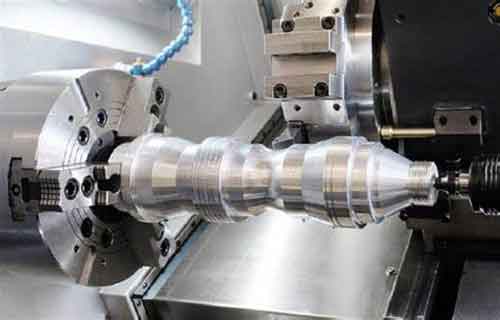
The workpiece mounts on the lathe spindle and rotates at high speed. The cutting tool, held in a tool post, contacts the rotating workpiece. As the tool moves along the length or radius, it removes material in the form of chips.
Key parameters controlled:
- Spindle speed – Rotation rate of the workpiece
- Feed rate – Speed at which the tool advances
- Depth of cut – Amount of material removed per pass
Example: Machining a small-diameter shaft with tight tolerances requires a slow feed rate and high spindle speed for a smooth surface finish. Wrong combinations cause rough surfaces, dimensional inaccuracies, or tool breakage.
Precision Machining and Tolerance Control
Precision machining is about achieving tight tolerances—allowable deviations from nominal dimensions. In high-precision applications like aerospace, tolerances can be as small as ±0.001 mm .
CNC lathes achieve this through:
| Feature | Contribution |
|---|---|
| Computer-controlled positioning | Precise tool movement |
| Real-time monitoring | Sensors detect tool wear, temperature, vibration |
| Automated adjustments | System compensates for wear or prompts tool changes |
| Closed-loop feedback | Ensures dimensions stay within tolerance |
Finishing Operations
After initial turning, finishing operations enhance surface quality and functionality:
| Process | Purpose |
|---|---|
| Grinding | Improves surface finish and dimensional accuracy |
| Polishing | Aesthetic finish, reduces friction in moving parts |
| Heat treatment | Alters mechanical properties (hardness, toughness, wear resistance) |
| Coating | Adds corrosion resistance, wear protection |
Example: In high-end automotive engines, polished piston surfaces reduce friction and improve efficiency. Steel gears may be quenched and tempered to increase hardness for high-stress applications.
Why Is Precision So Critical for Turning Parts?
Aerospace Industry
Turbine shafts in aircraft engines rotate at thousands of RPM. A deviation of a few micrometers in diameter or concentricity causes imbalances. Imbalances generate vibrations that lead to bearing wear, component damage, and potentially engine failure.
Aerospace turning parts maintain tolerances within ±0.001 mm . This precision is not optional—it is a safety requirement.
Medical Equipment
Surgical instruments require precise machining for smooth movement during procedures. A poorly made turning part could cause inaccuracies in operations, harming patients.
Implants like hip replacements must fit perfectly. Surface roughness requirements are measured in nanometers . Proper fit ensures bone integration, reduces infection risk, and promotes long-term functionality.
Automotive Industry
Crankshafts convert piston motion into rotational motion. Connecting rods link pistons to the crankshaft. Both require tight tolerances.
| Component | Tolerance | Impact of Deviation |
|---|---|---|
| Crankshaft | ±0.01 mm | Engine misfires, reduced fuel efficiency, increased emissions |
| Connecting rod | ±0.01 mm | Uneven wear, reduced engine life |
In modern high-performance engines, these tolerances are essential for smooth operation and durability.
How Do Turning Parts Compare to Other Components?
| Comparison Item | Turning Parts | Forged Parts | Molded Plastic Parts |
|---|---|---|---|
| Precision | ±0.001–0.01 mm | ±0.1–0.5 mm | ±0.2–1 mm |
| Surface finish (Ra) | 0.1–0.8 μm | 1.6–6.3 μm | 0.8–3.2 μm |
| Material adaptability | Metals, plastics, composites | Metals only (with forgeability) | Plastics, some composites |
| Strength | High (with proper material/heat treat) | Very high (grain flow aligns with shape) | Moderate |
| Complexity | Rotational symmetry, contours, threads | Simple to moderate shapes | Highly complex shapes possible |
| Production volume | Prototypes to high-volume | High-volume | Very high-volume |
| Cost per unit | Moderate | Moderate (high tooling cost) | Low (high mold cost) |
When to choose turning parts:
- High precision required
- Smooth surface finish needed
- Rotational symmetry
- Wide material selection
- Prototype to medium-volume production
What Key Factors Should You Consider When Designing Turning Parts?
| Factor | Considerations |
|---|---|
| Application | Required mechanical properties: strength, hardness, corrosion resistance |
| Precision requirements | Tolerances for dimensions and surface finish |
| Material selection | Match material to application and machinability |
| Geometry | Ensure complexity is compatible with lathe and tooling capabilities |
| Cost-effectiveness | Balance quality and precision with production costs (material, machining time, finishing) |
| Manufacturability | Design features that can be machined efficiently |
Conclusion
Turning parts are the unsung heroes of precision engineering. They operate silently within complex machinery—aircraft engines, medical implants, automotive drivetrains—yet their precision determines whether systems perform reliably or fail catastrophically.
The manufacturing process demands careful material selection, precise machining on advanced lathes, and rigorous finishing operations. Tolerances as tight as ±0.001 mm are achievable and essential in aerospace, medical, and automotive applications.
Compared to forged and molded components, turning parts excel in precision, surface finish, and material adaptability. They are the choice when rotational symmetry, tight tolerances, and smooth surfaces are required.
Despite their significance, turning parts often go unnoticed. They quietly enable the advanced technologies and modern conveniences we rely on. As industries demand higher performance, the role of turning parts will only grow. Recognizing their true worth is essential for advancing precision engineering.
FAQ
What are the most common materials used for turning parts?
Common materials include steel (high strength, industrial applications), aluminum (lightweight, good machinability, automotive and aerospace), titanium (high strength-to-weight, corrosion resistance, medical and aerospace), and plastics (cost-effectiveness, electrical insulation, electronics). Material selection depends on application requirements.
How does the precision of turning parts compare to other manufacturing methods?
Turning parts achieve extremely high precision—tolerances of ±0.001–0.01 mm in high-end applications. Forged parts typically achieve ±0.1–0.5 mm. Molded plastic parts achieve ±0.2–1 mm. This makes turning ideal for aerospace, medical, and other high-precision applications.
What are the key factors to consider when designing a turning part?
Consider the application (determines mechanical properties and material), precision requirements (tolerances for dimensions and surface finish), geometry (compatibility with lathe and tooling), and cost-effectiveness (balance quality with production costs). Design for manufacturability ensures efficient production.
What surface finishes can turning parts achieve?
Precision turning operations achieve surface roughness (Ra) in the range of 0.1–0.8 μm . For reference, human hair is about 50 μm in diameter. Smooth finishes minimize friction, improve aesthetics, and are essential for sealing surfaces and moving components.
Can turning parts be made from materials other than metals?
Yes. Turning parts are made from plastics (nylon, PEEK, polycarbonate), composites, and even ceramics with specialized tooling. The turning process is adaptable to a wide range of materials, each with specific requirements for cutting speeds, feeds, and tool selection.
Contact Yigu Technology for Custom Manufacturing
At Yigu Technology, we specialize in precision turning parts for demanding applications. Our CNC lathes achieve tolerances as tight as ±0.001 mm and surface finishes down to Ra 0.1 μm . We work with metals, plastics, and composites to meet your specific requirements.
Our quality control includes CMM inspection, in-process monitoring, and material certification. From small-diameter shafts for electronics to large-scale components for industrial machinery, we deliver turning parts that perform reliably.
Contact us today to discuss your turning part requirements. Let our precision engineering expertise help you achieve the quality and reliability your application demands.